June 22-27, 2027
Stonewall Session
at Château de Béduer
-
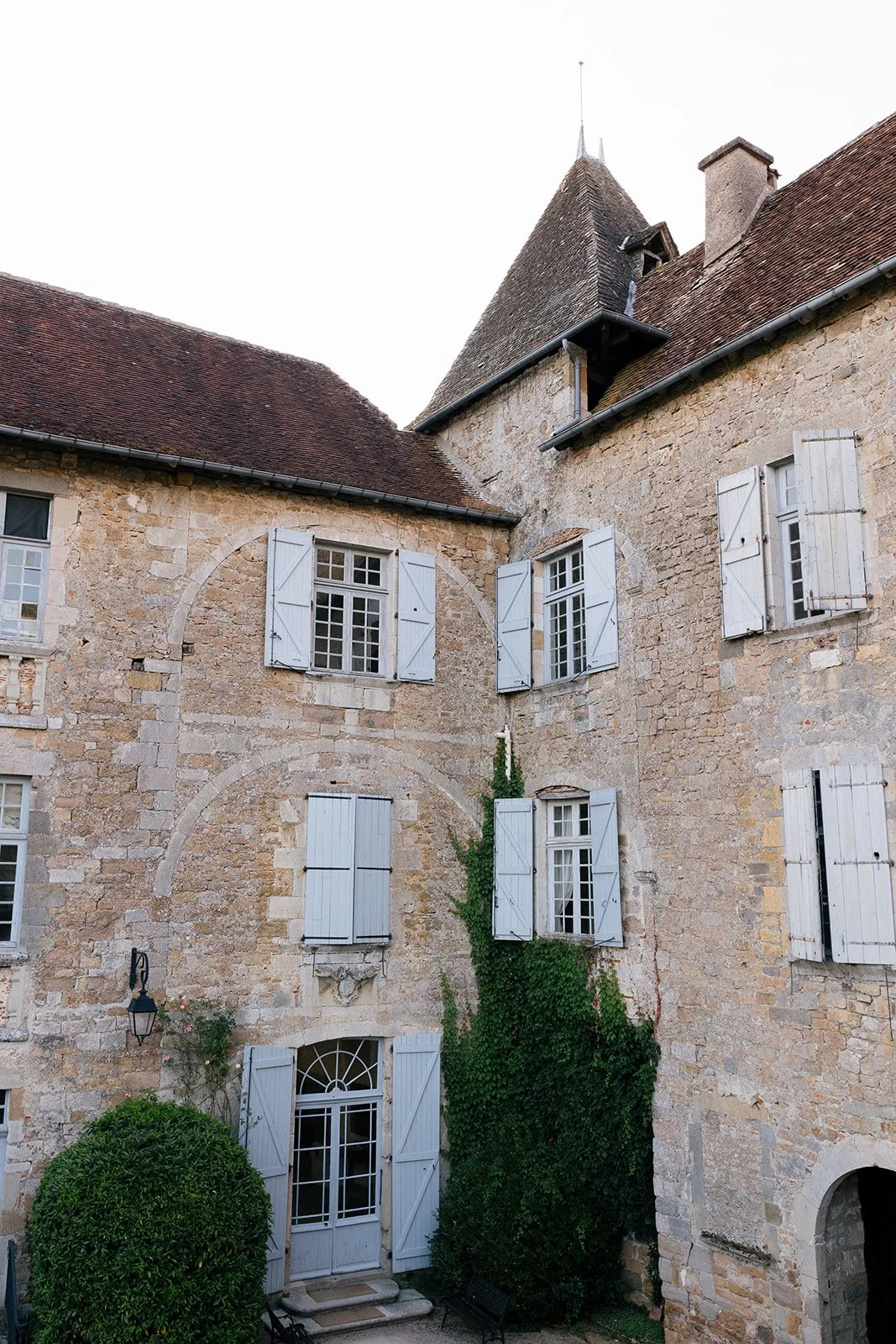
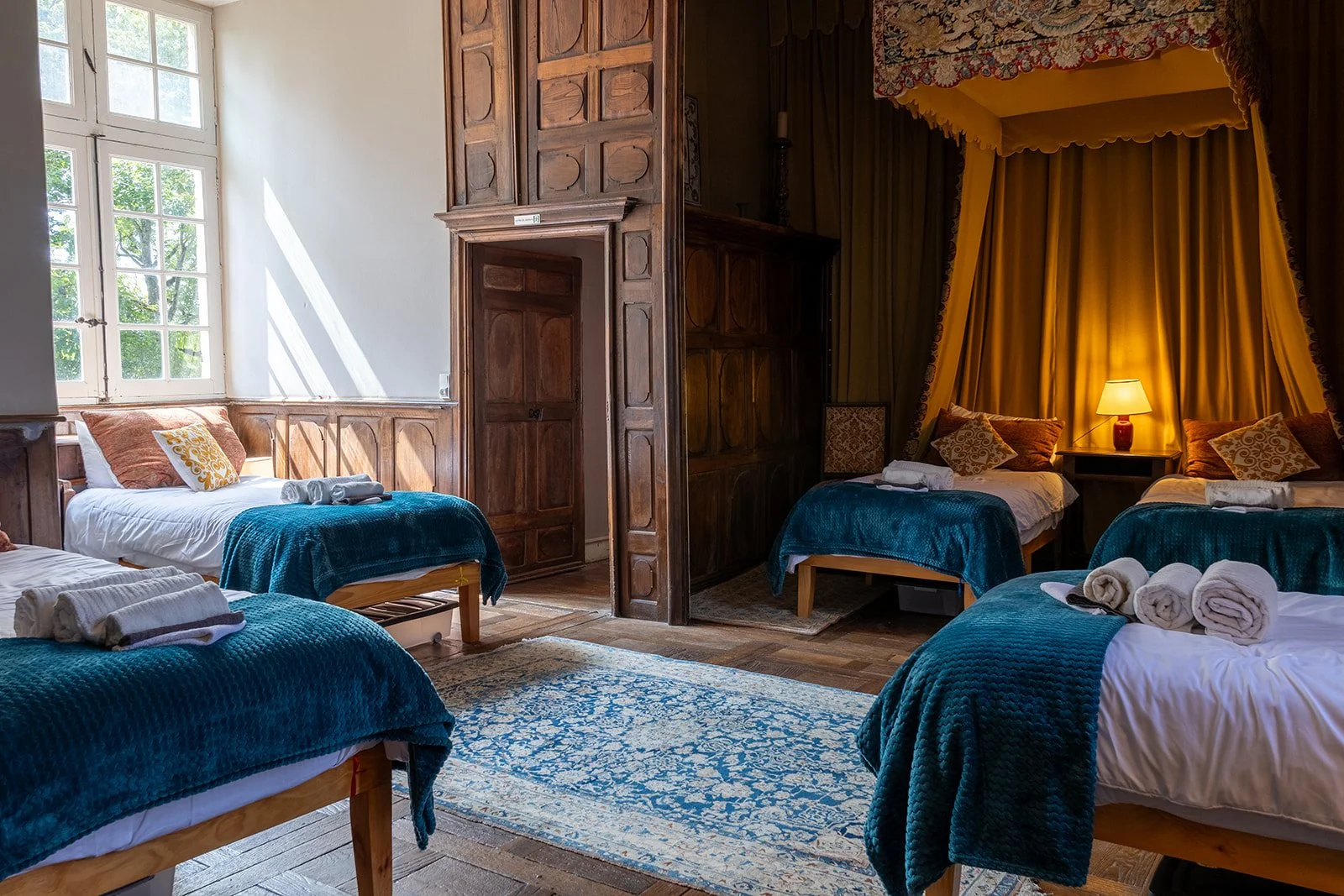
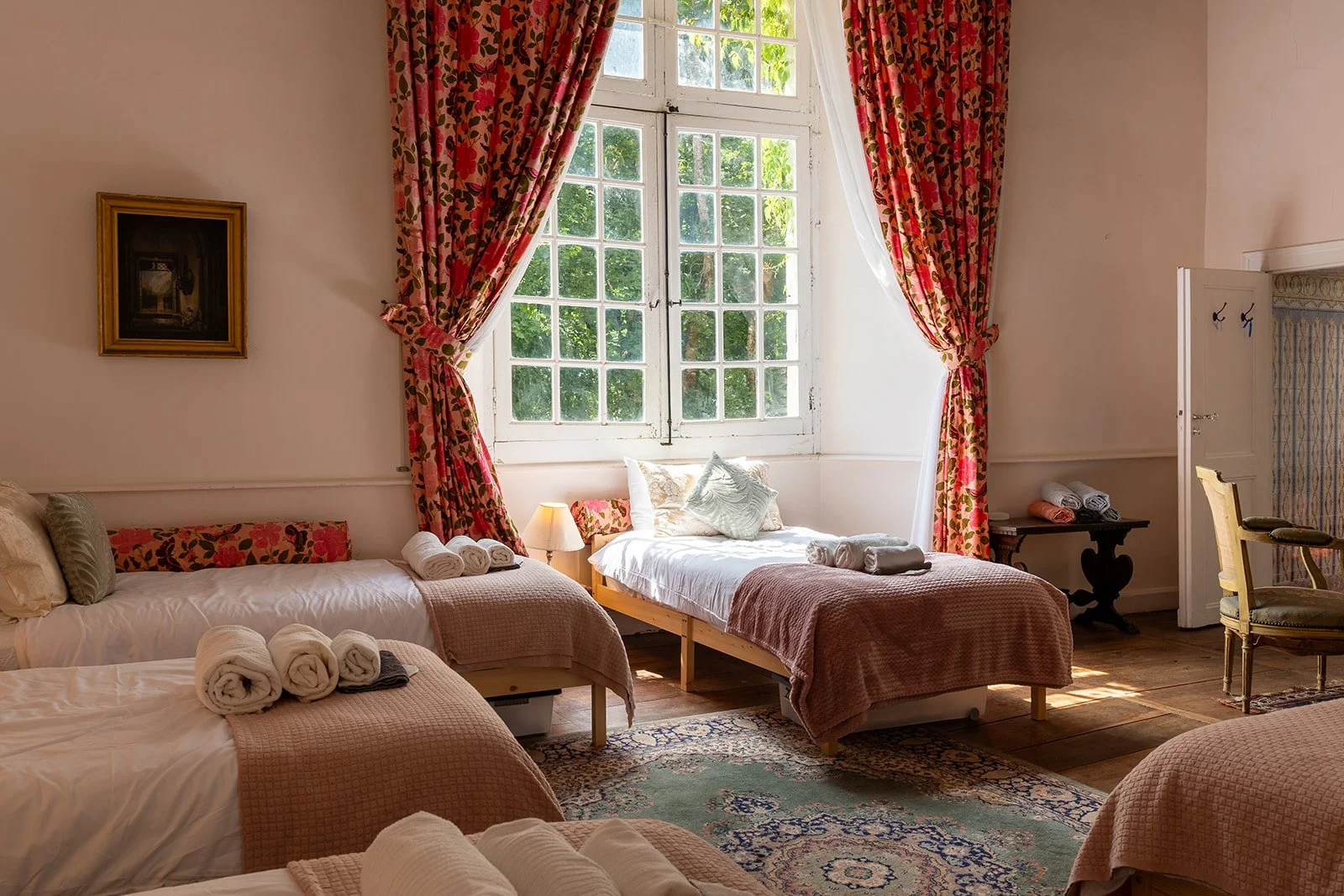
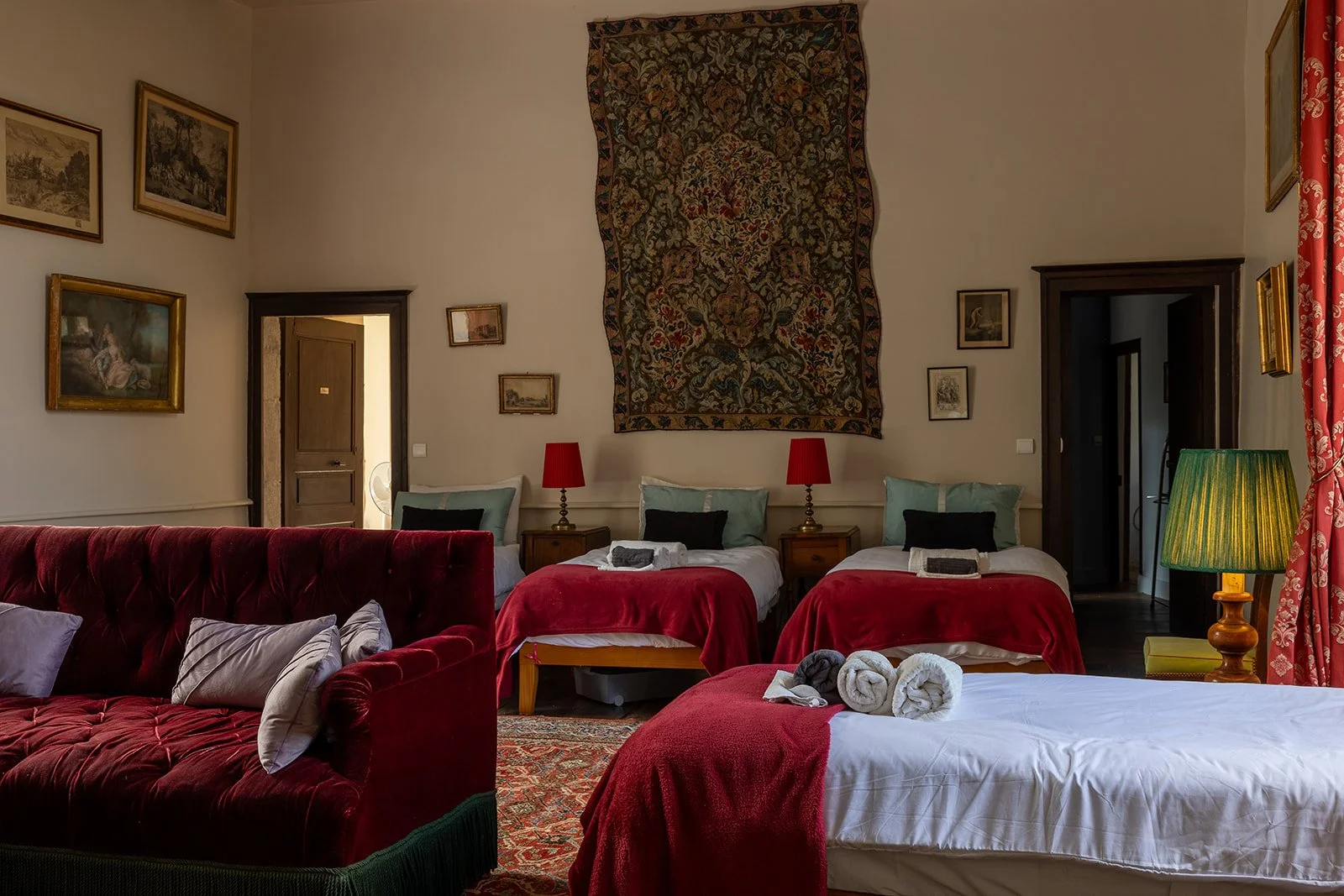
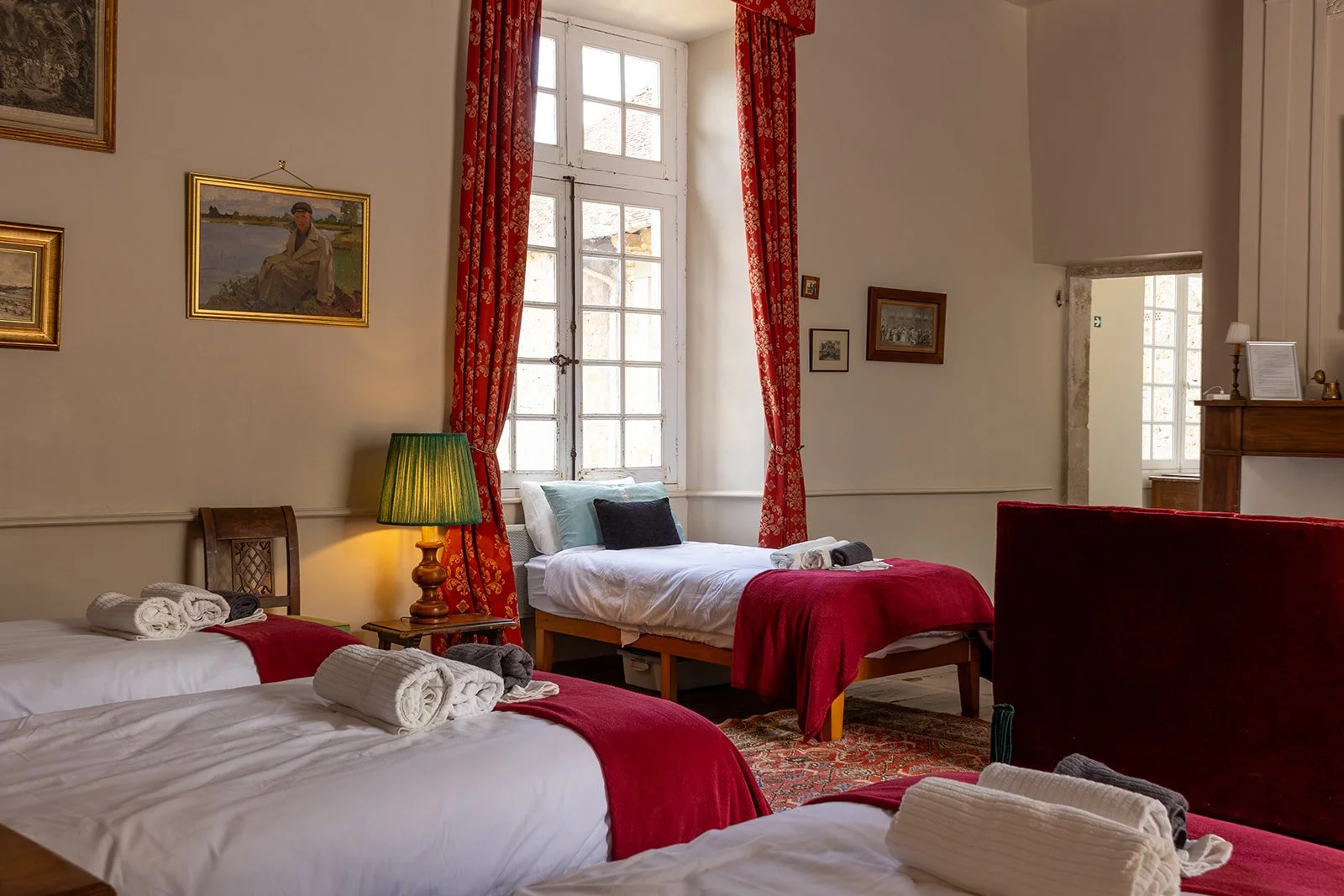
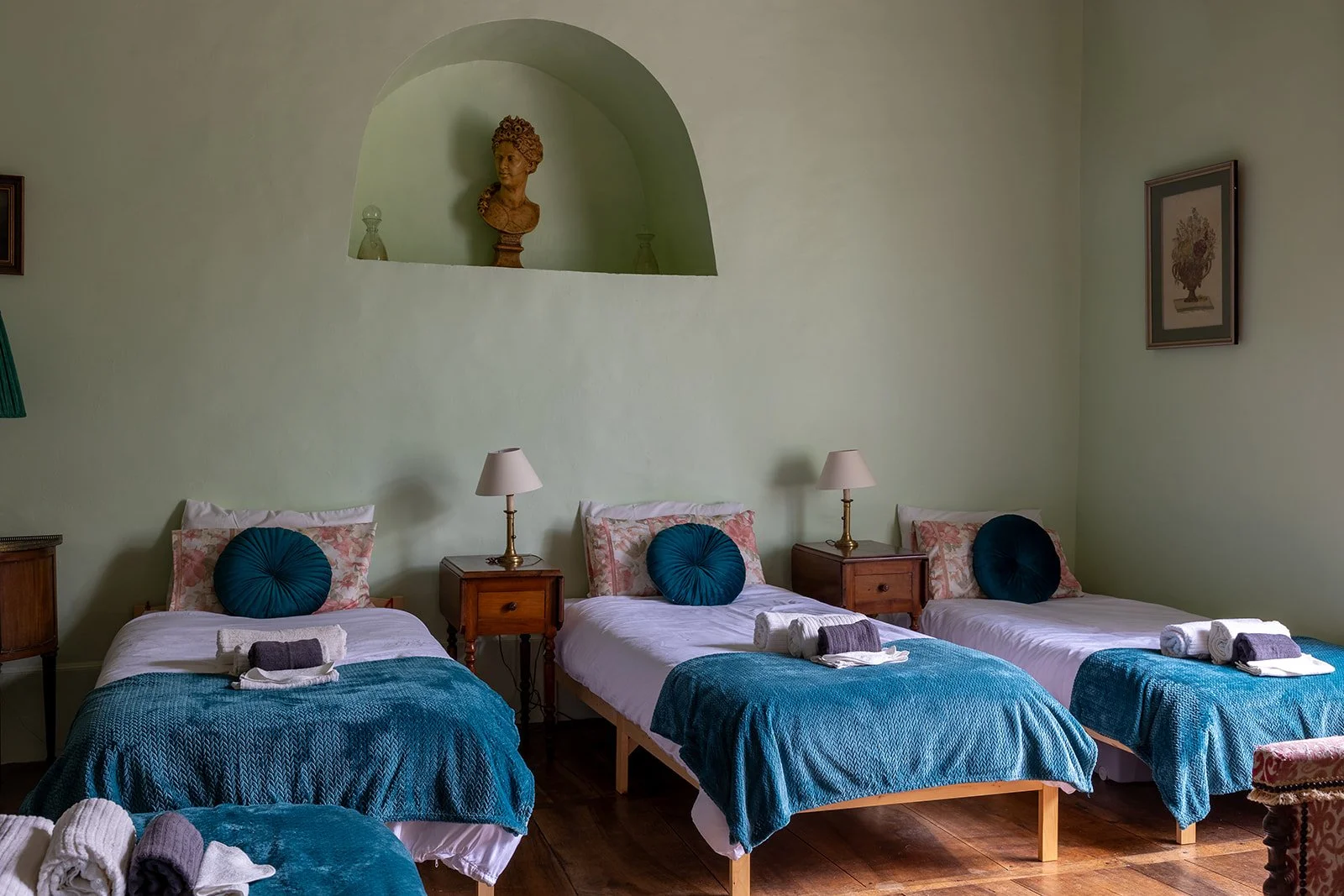
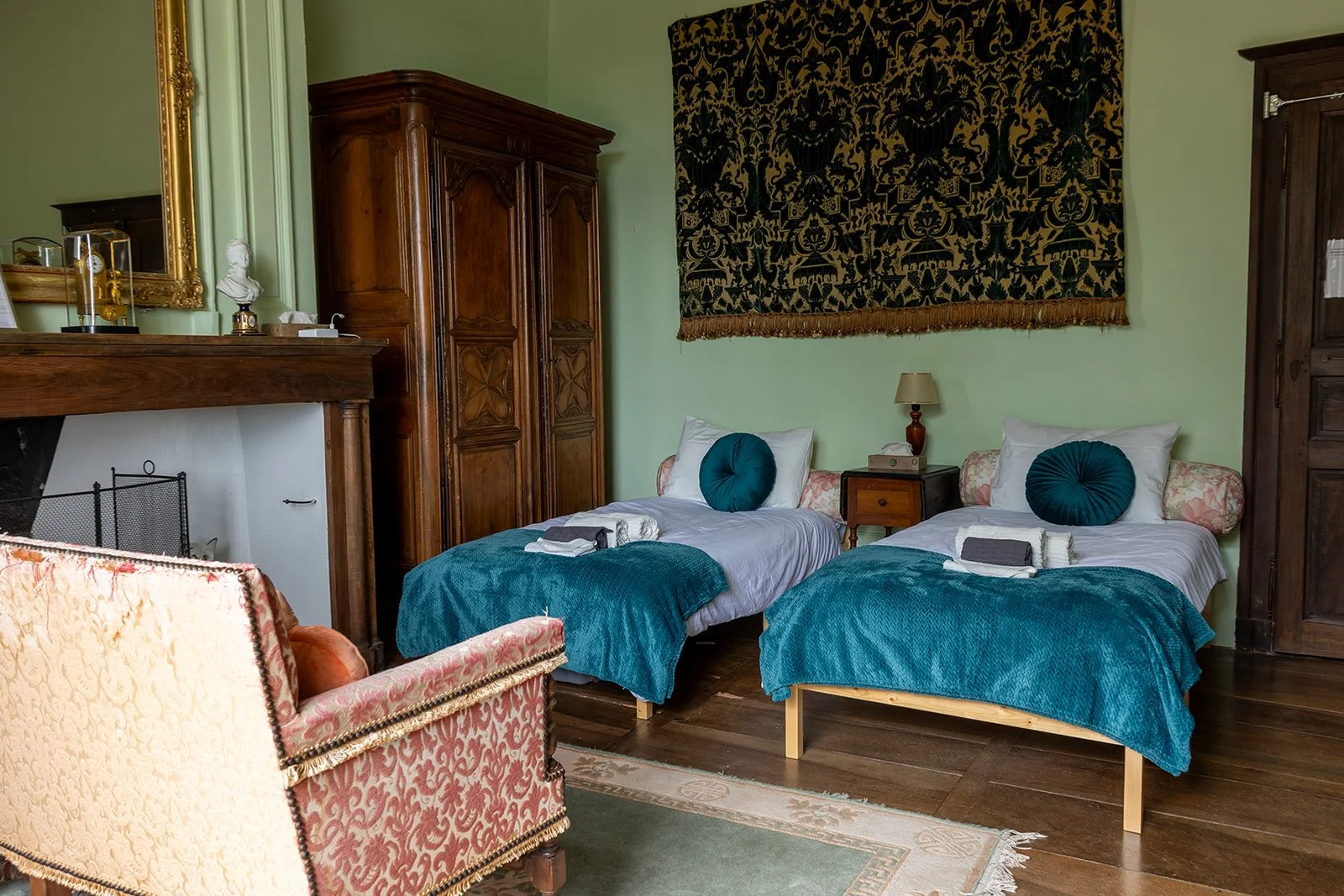
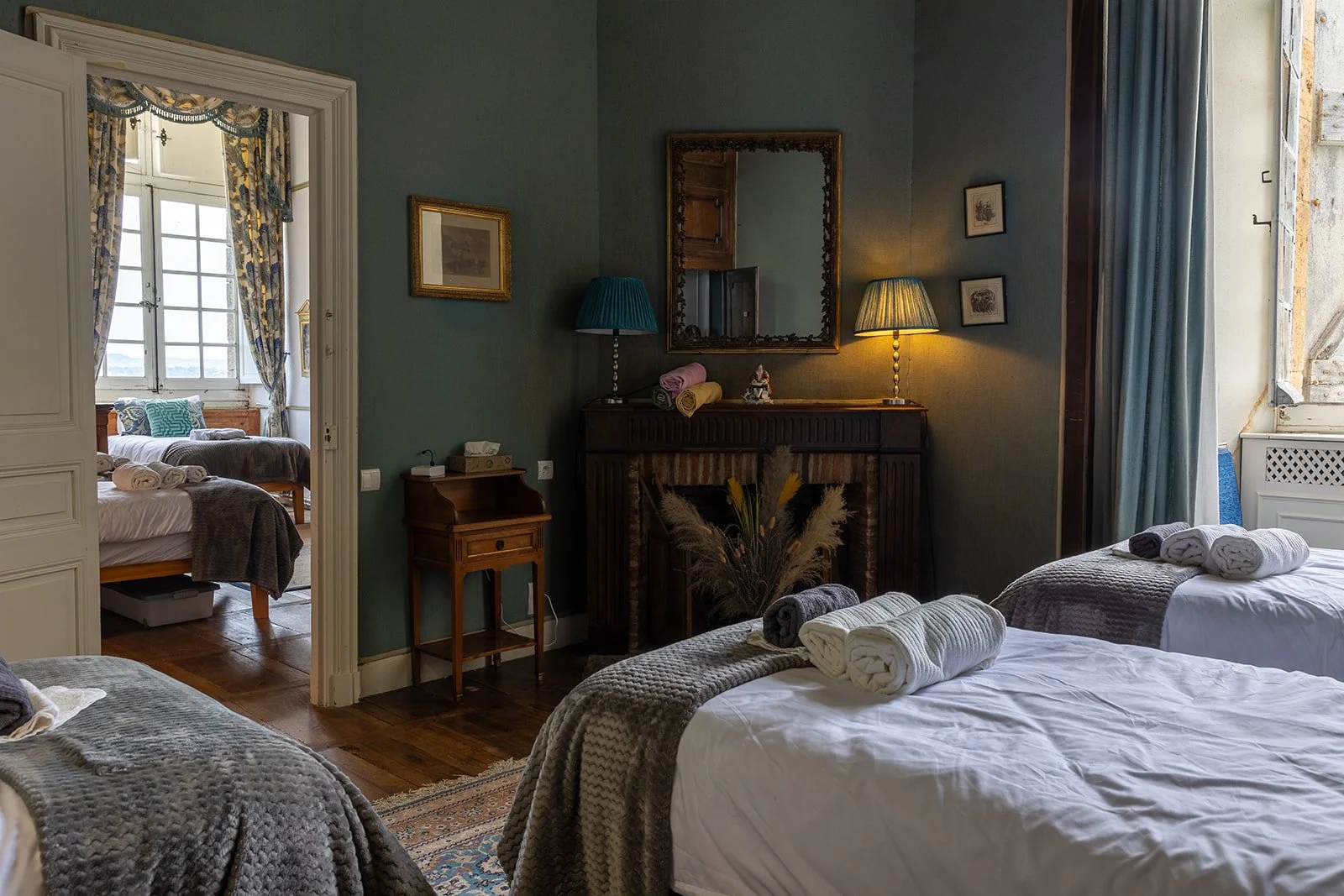
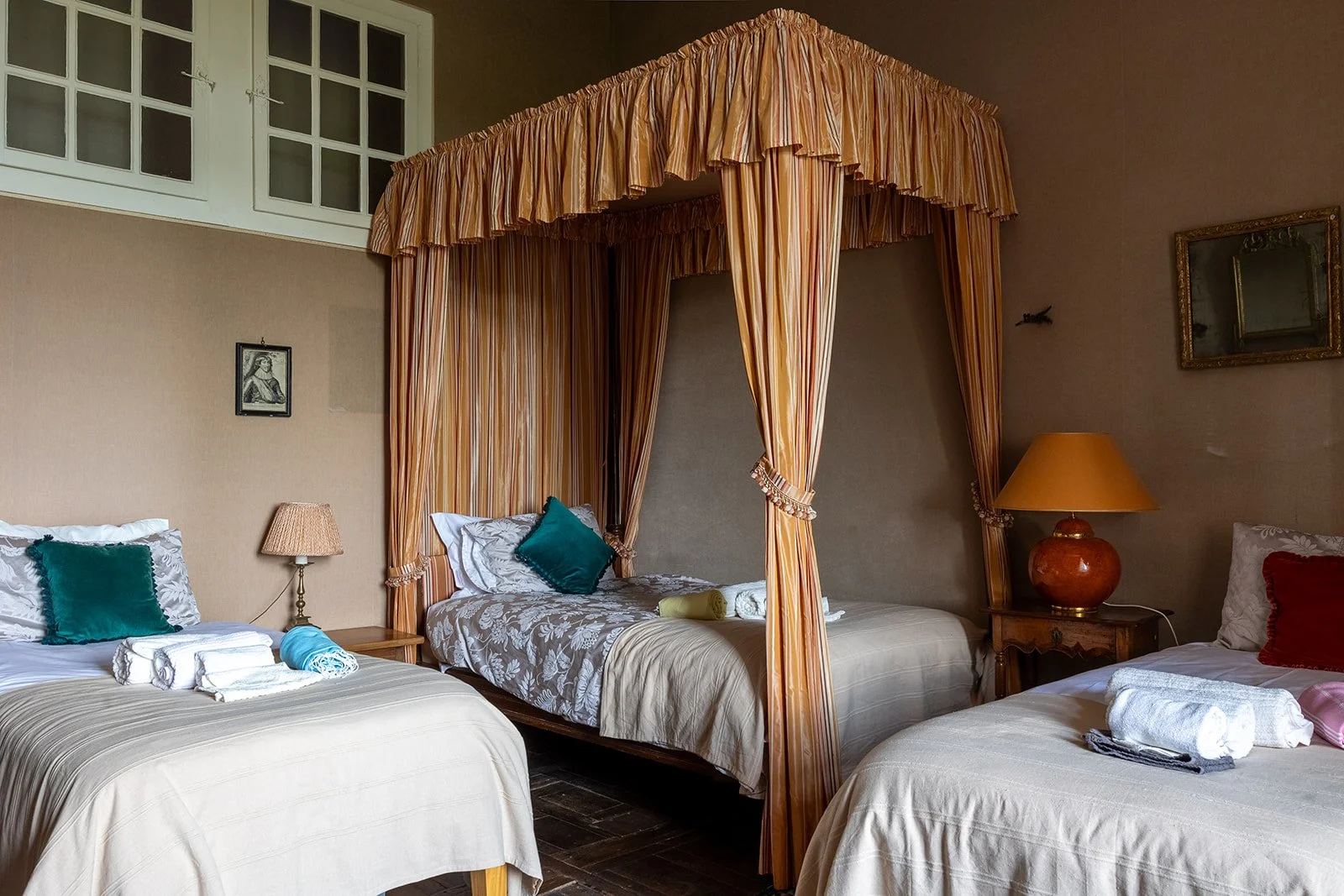
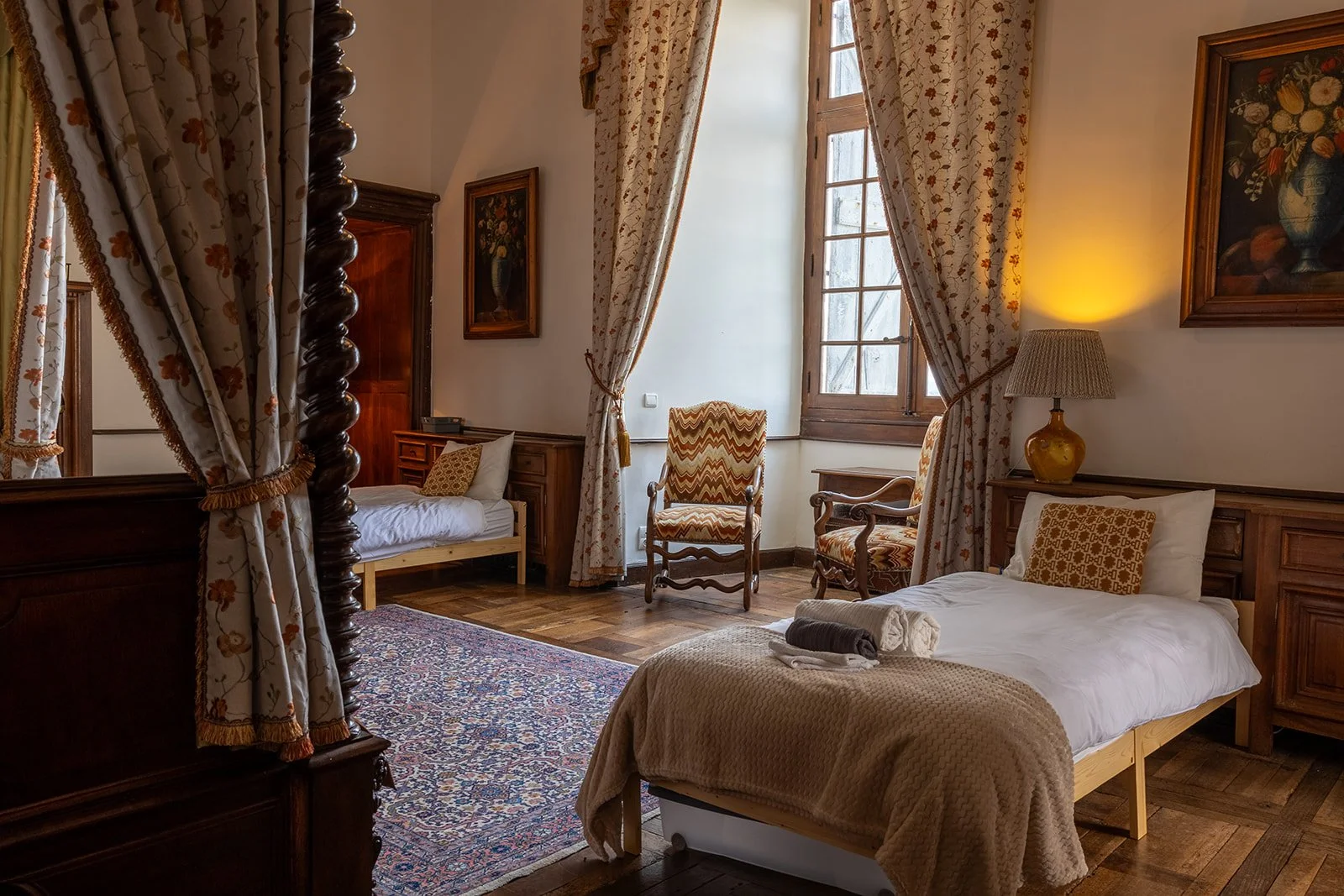
The Château has 7 bunks total. Every bunk room is special and different in its own way.
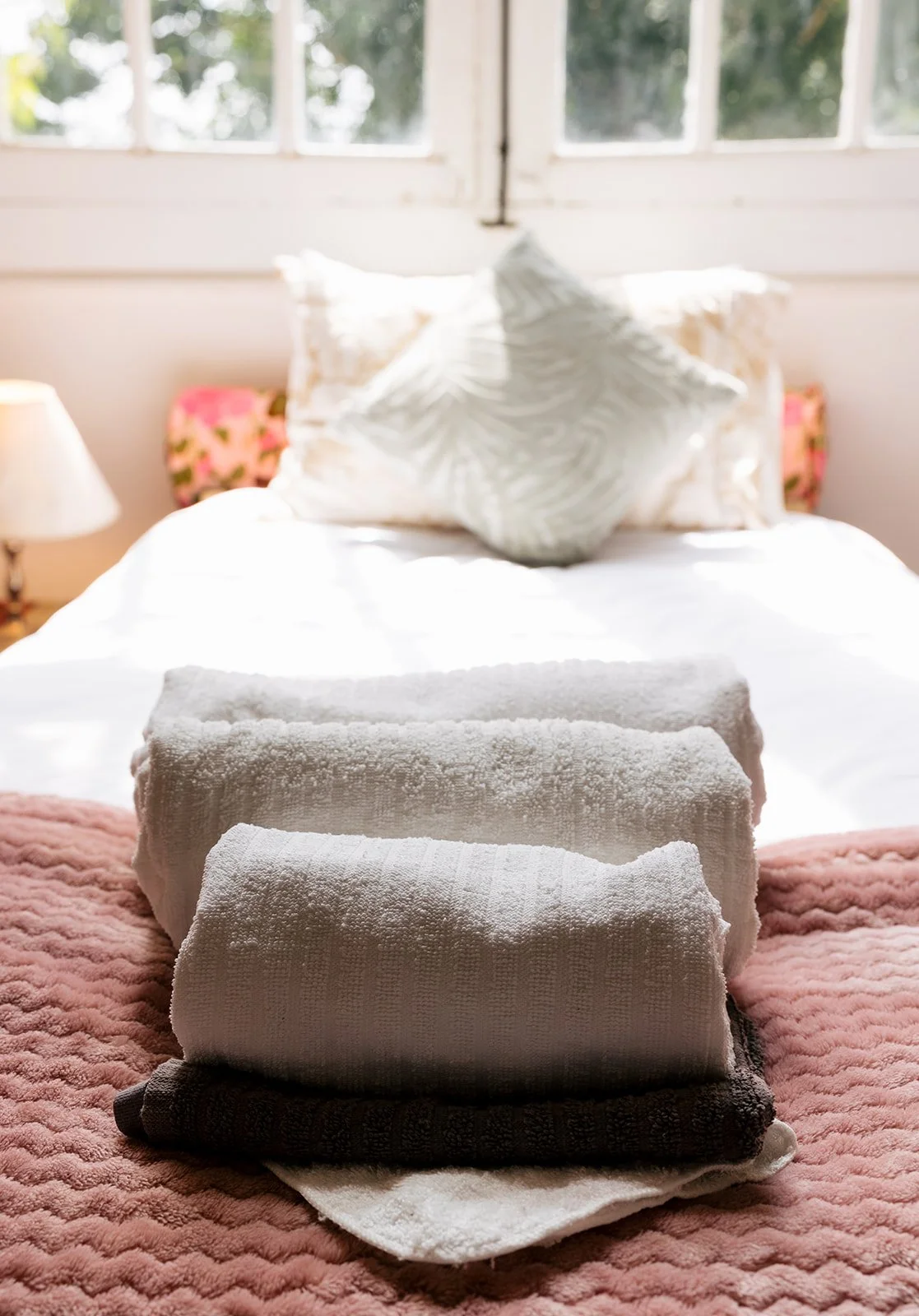
Each château bunkroom has 5-8 twin beds (not bunkbeds).
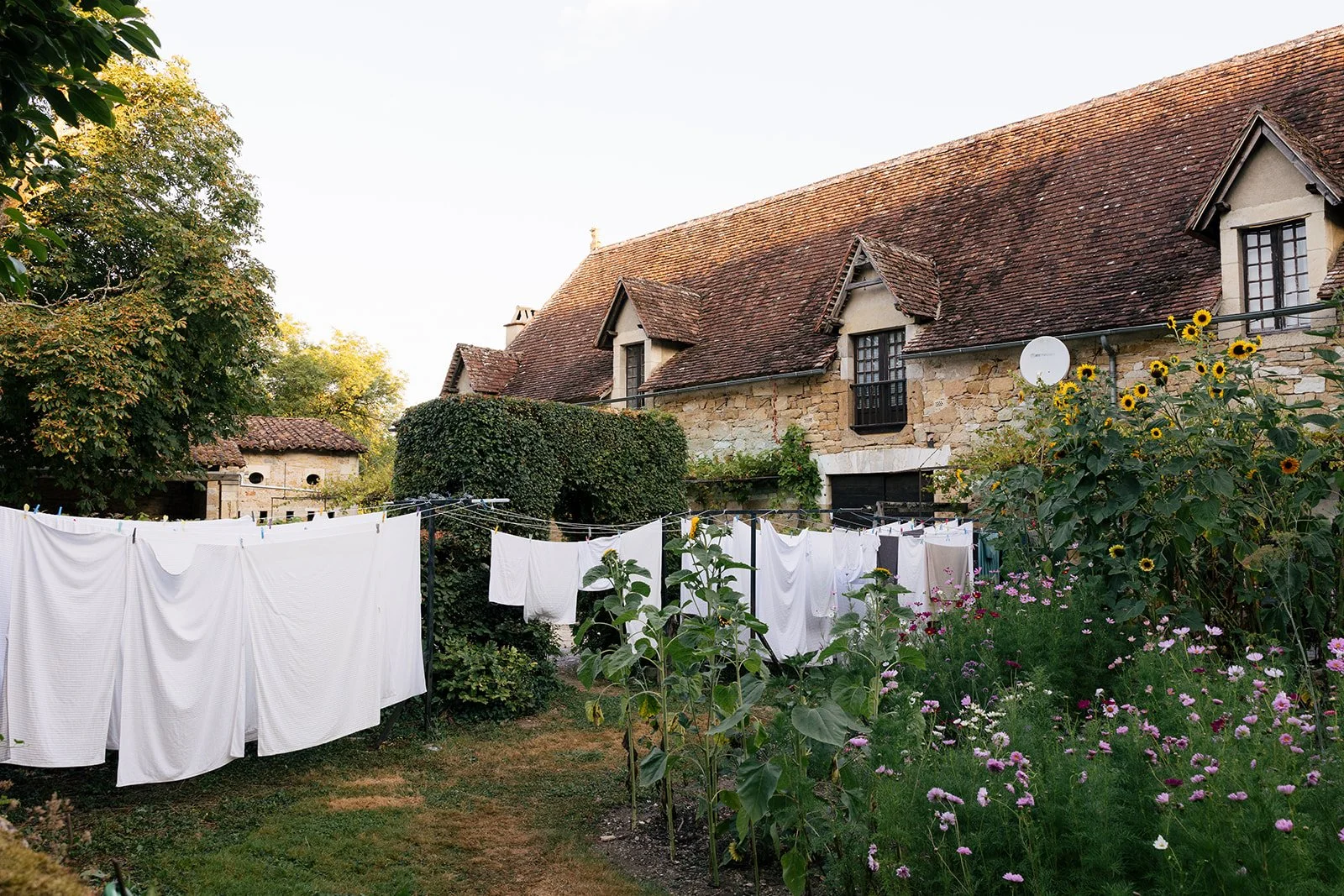
There are also smaller bunkrooms in the farmhouse with 3-4 twin beds with ensuite bathrooms.
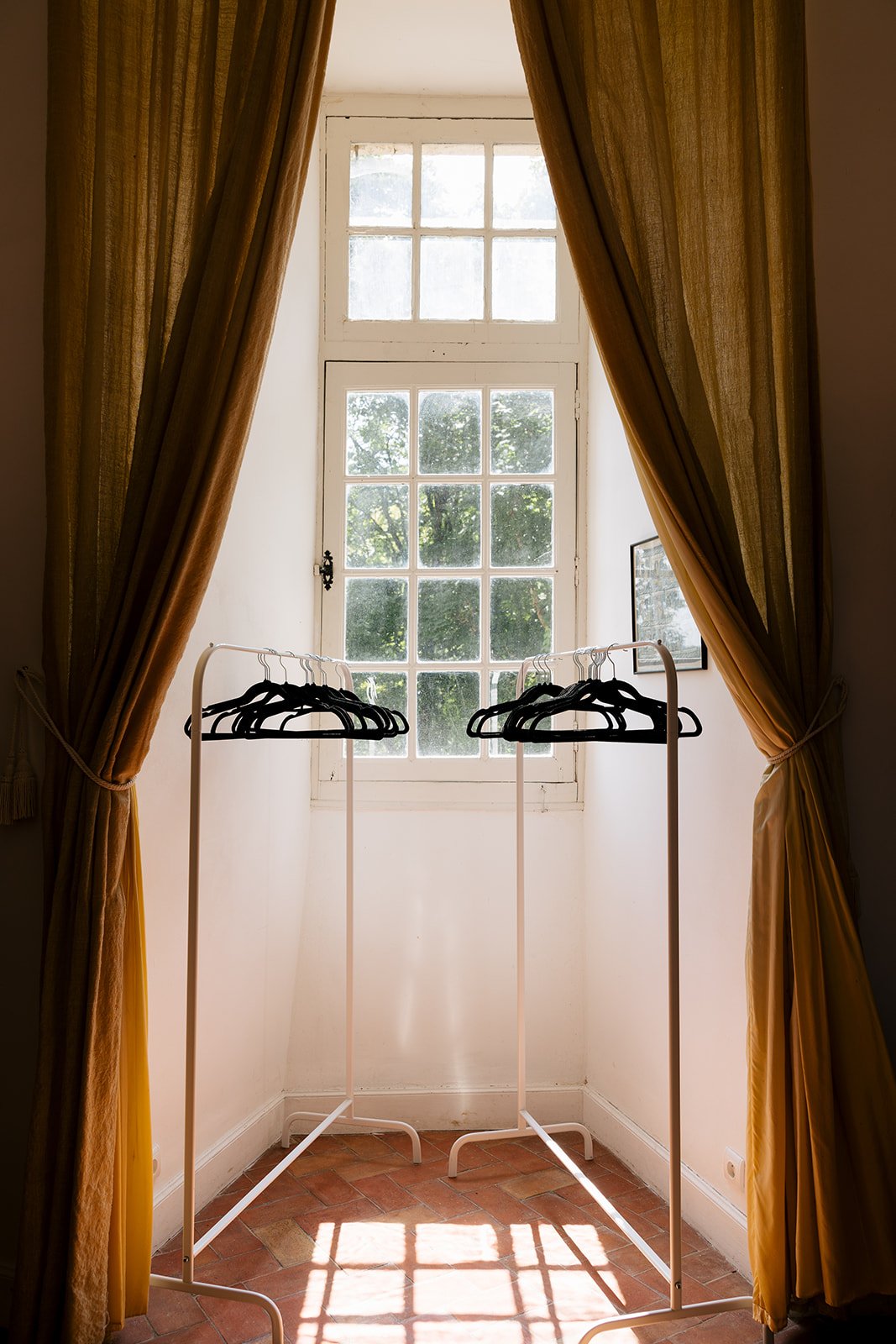
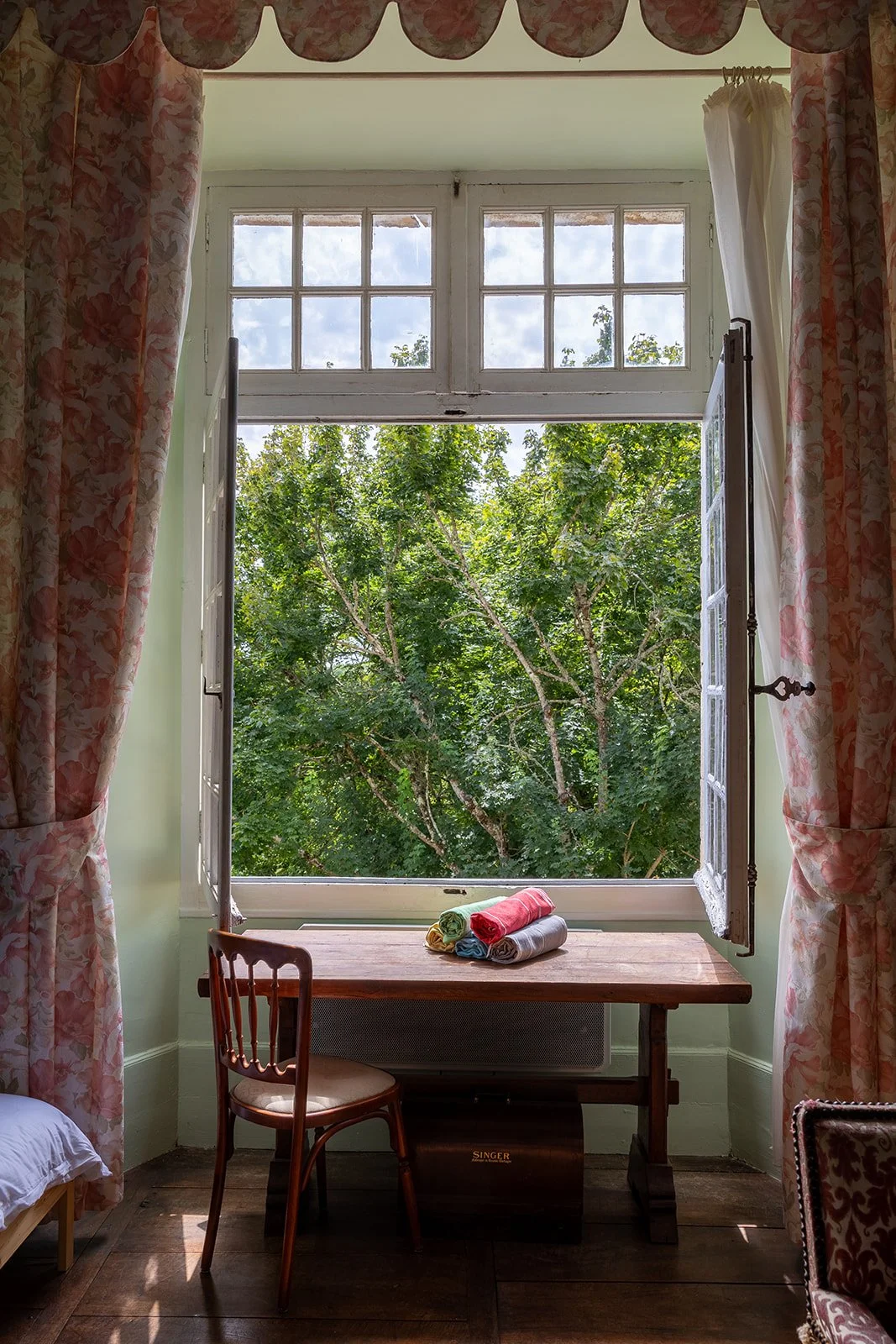
Hanging space and under-bed storage.
USB & USB-C Charging Stations.
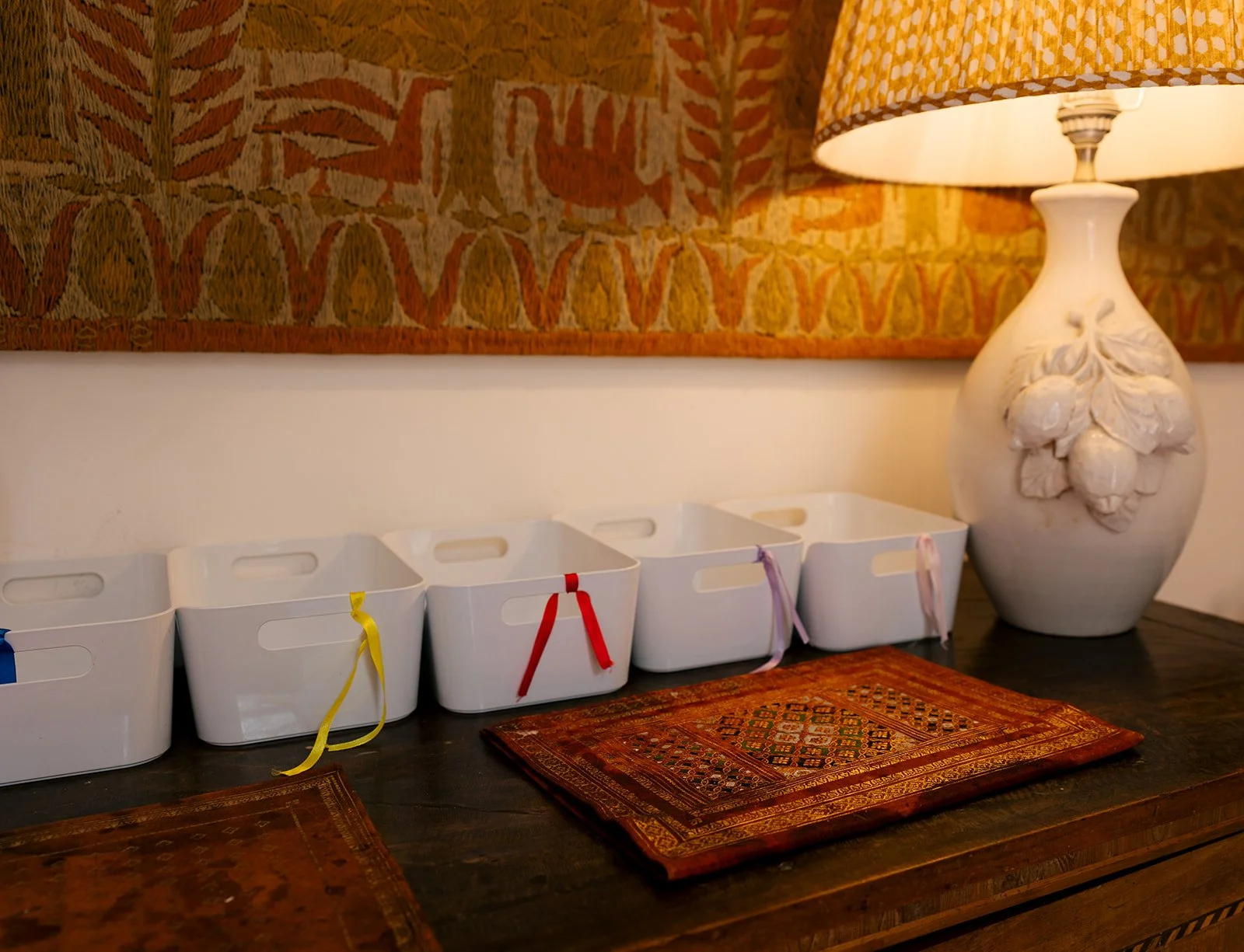
Private bunk bathrooms and a personal storage area for toiletries.
Bathrooms are equipped with toiletries and linens.
Hair dryers and irons are available.
Shared shower room with 3 showers for additional options.
Wi-Fi in the common area
Private on-site parking
Laundry services for an extra fee.
Extra fans and lamps.
European outlets.
You can come in groups, but please note that we randomize all sleeping arrangements. Additionally, there are two team members assigned to each bunk with you.
-
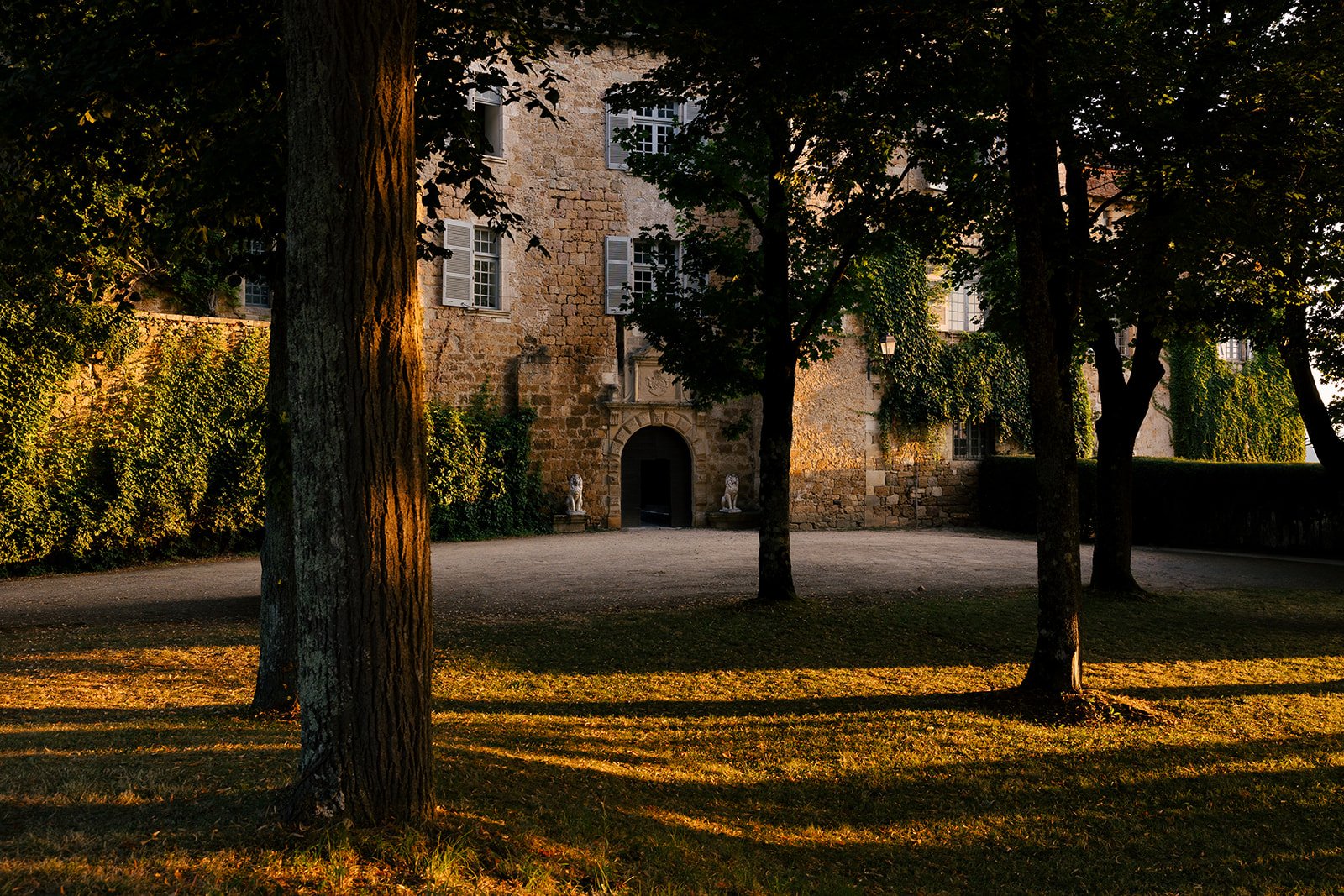
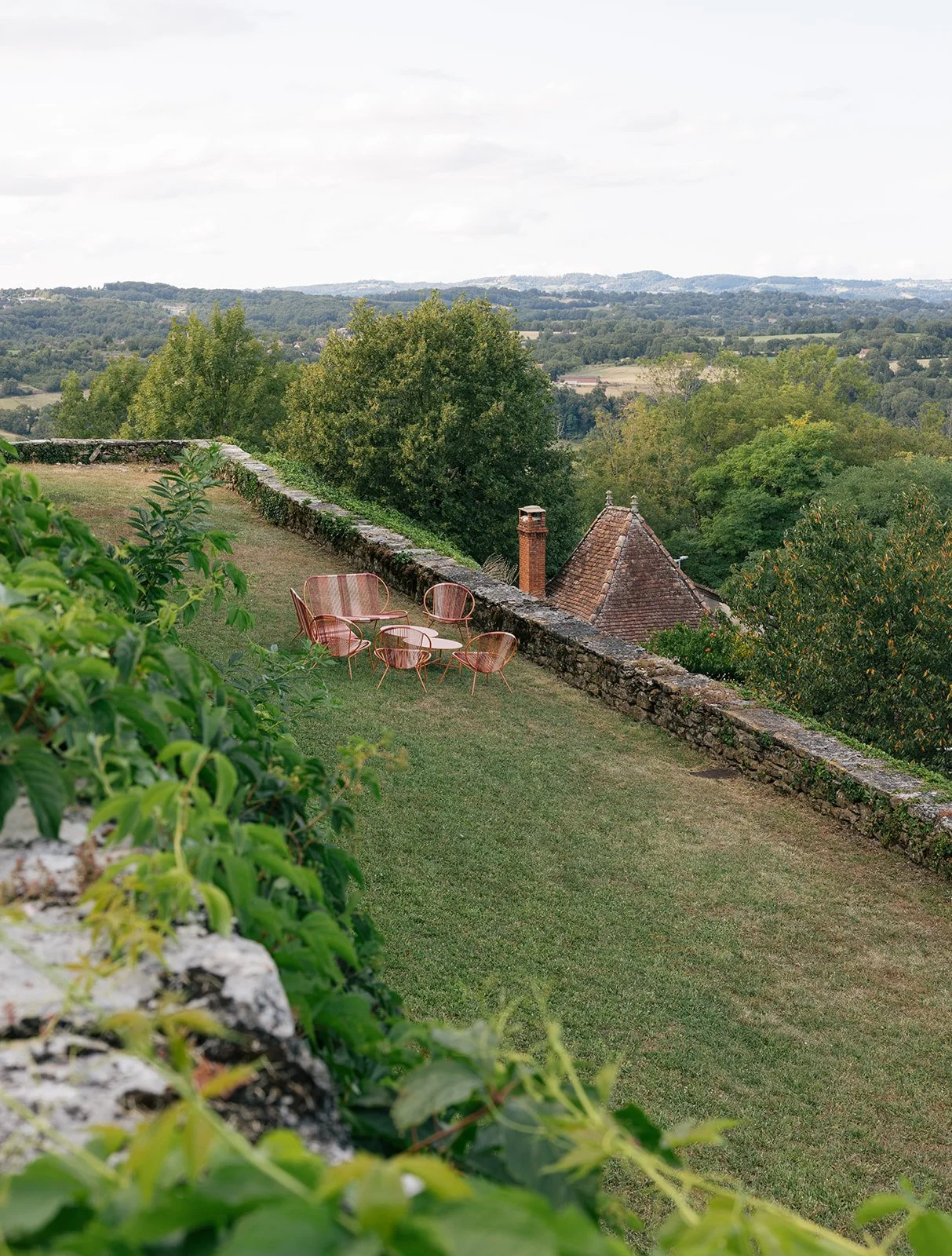
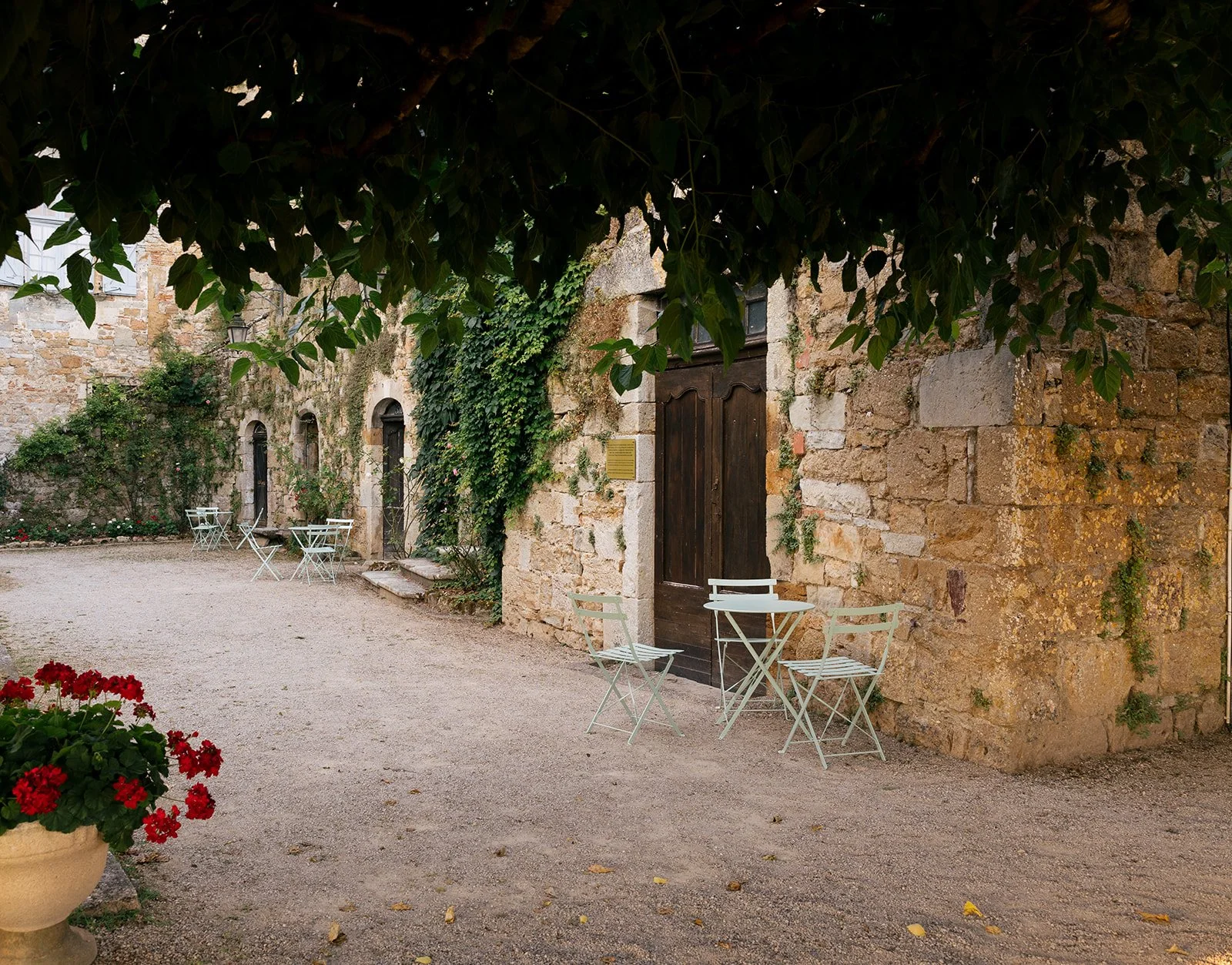
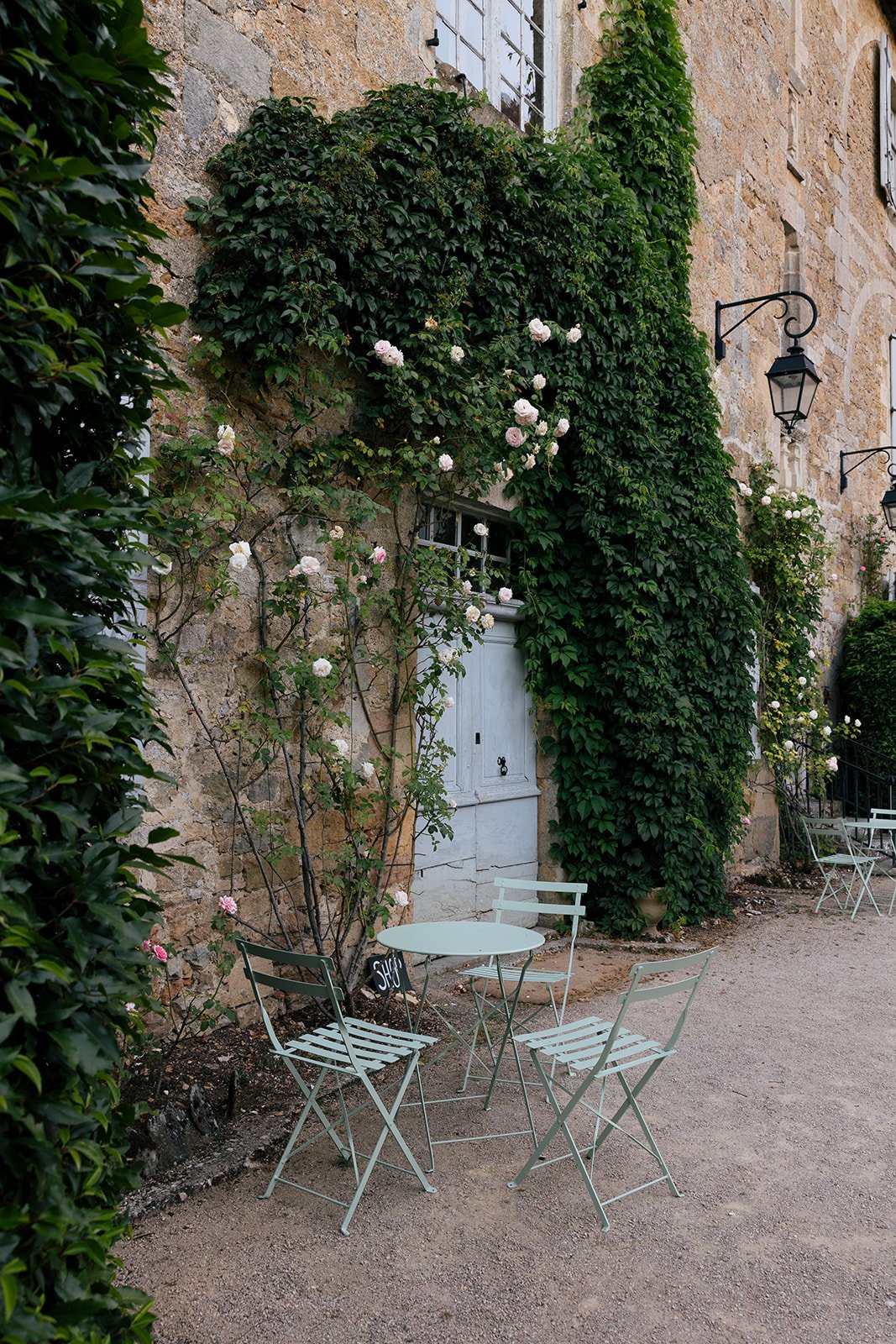
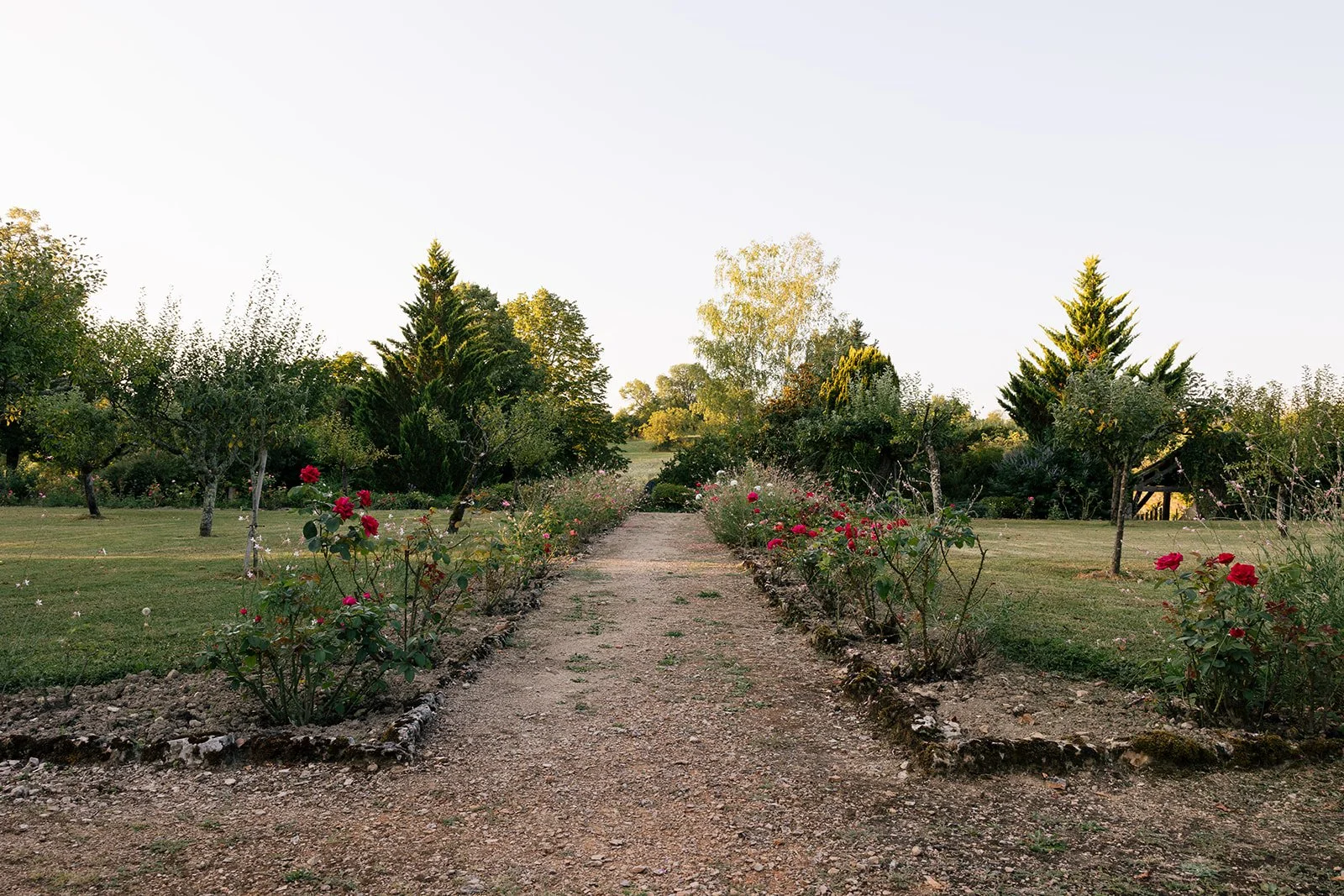
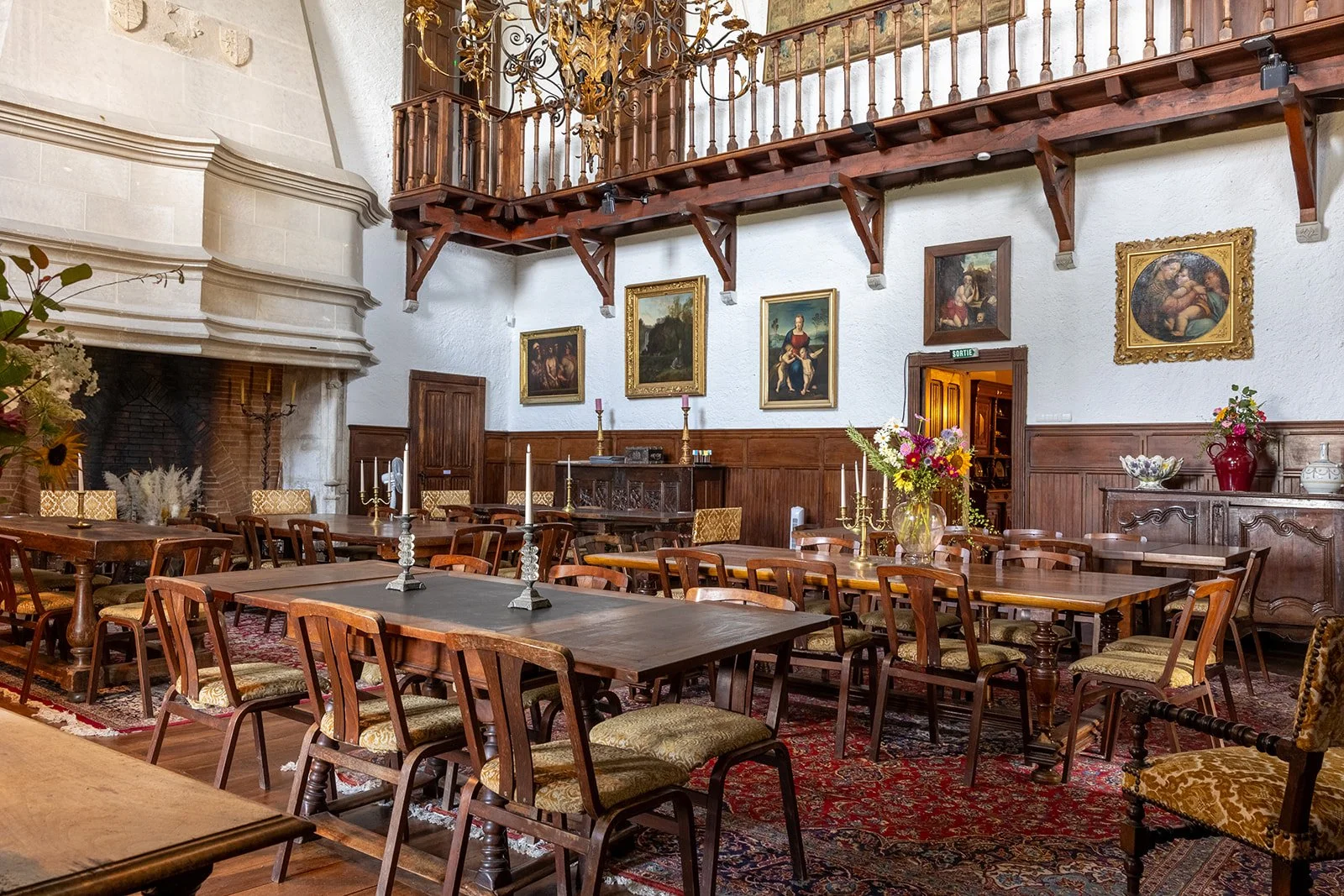
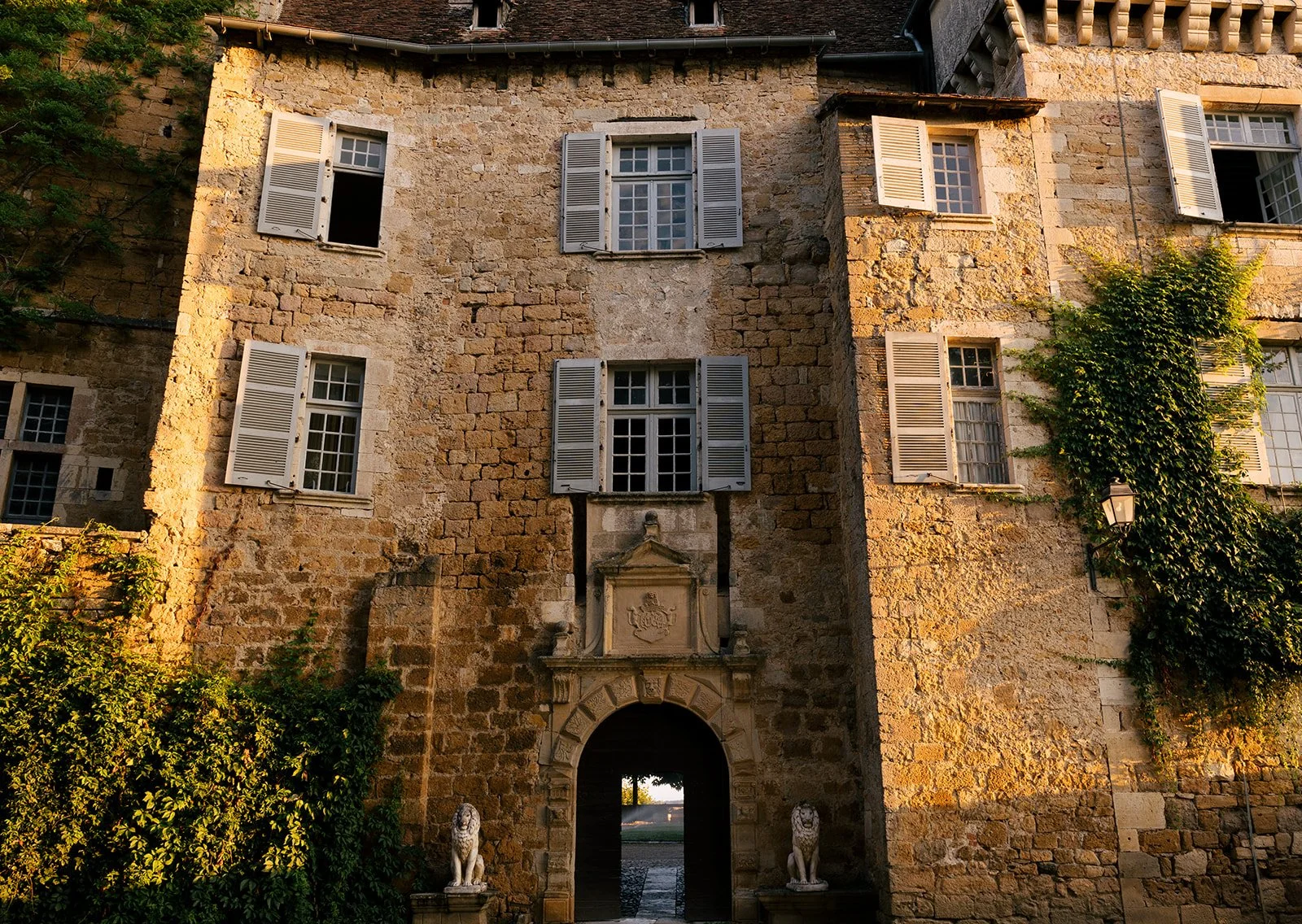
A branch of the Camino de Santiago, the UNESCO World Heritage listed ancient pilgrimage route, running to Santiago de Compostela in Spain, goes directly past the Château. This special route is accessible at the top of the hill. Here are some other details about the property:
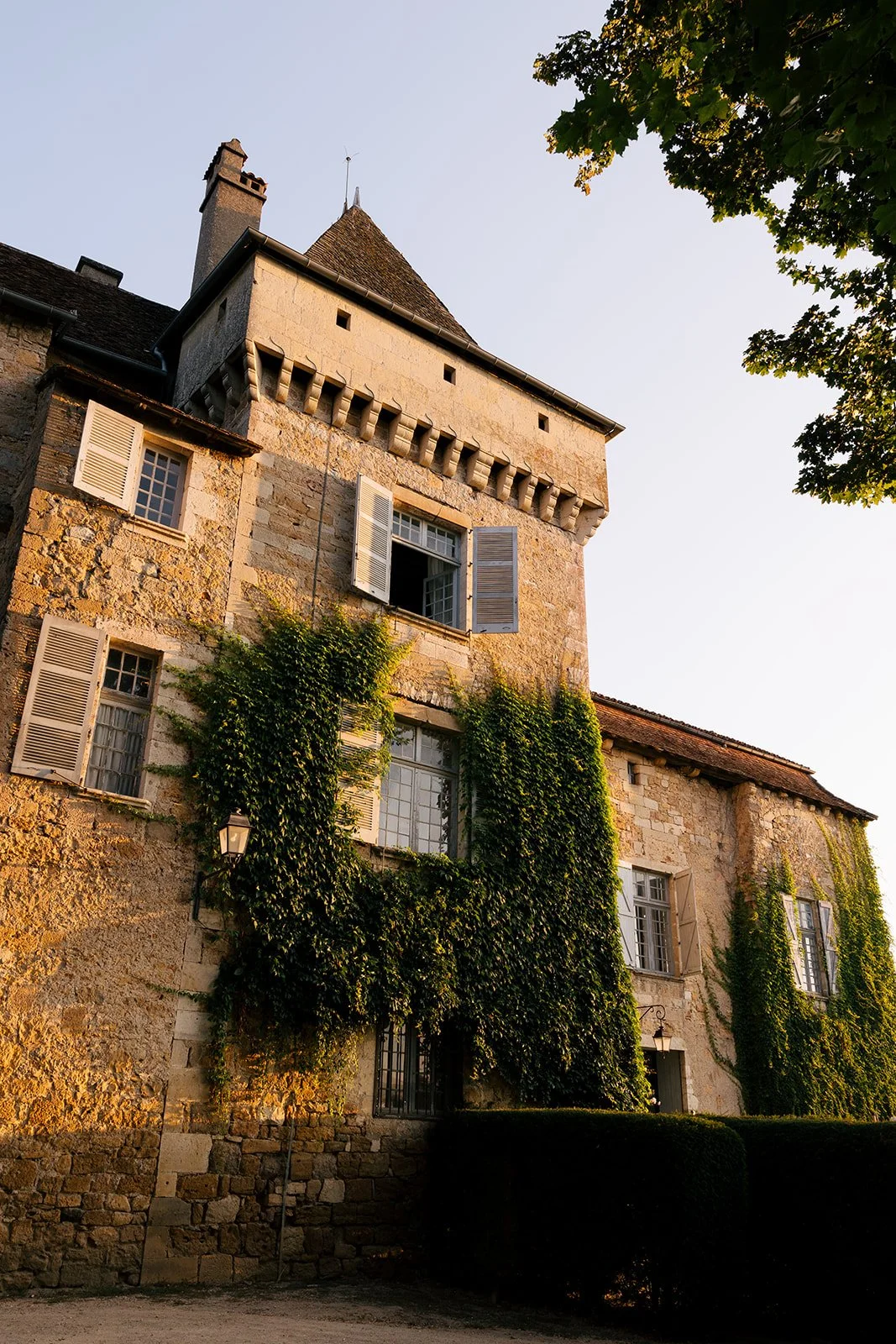
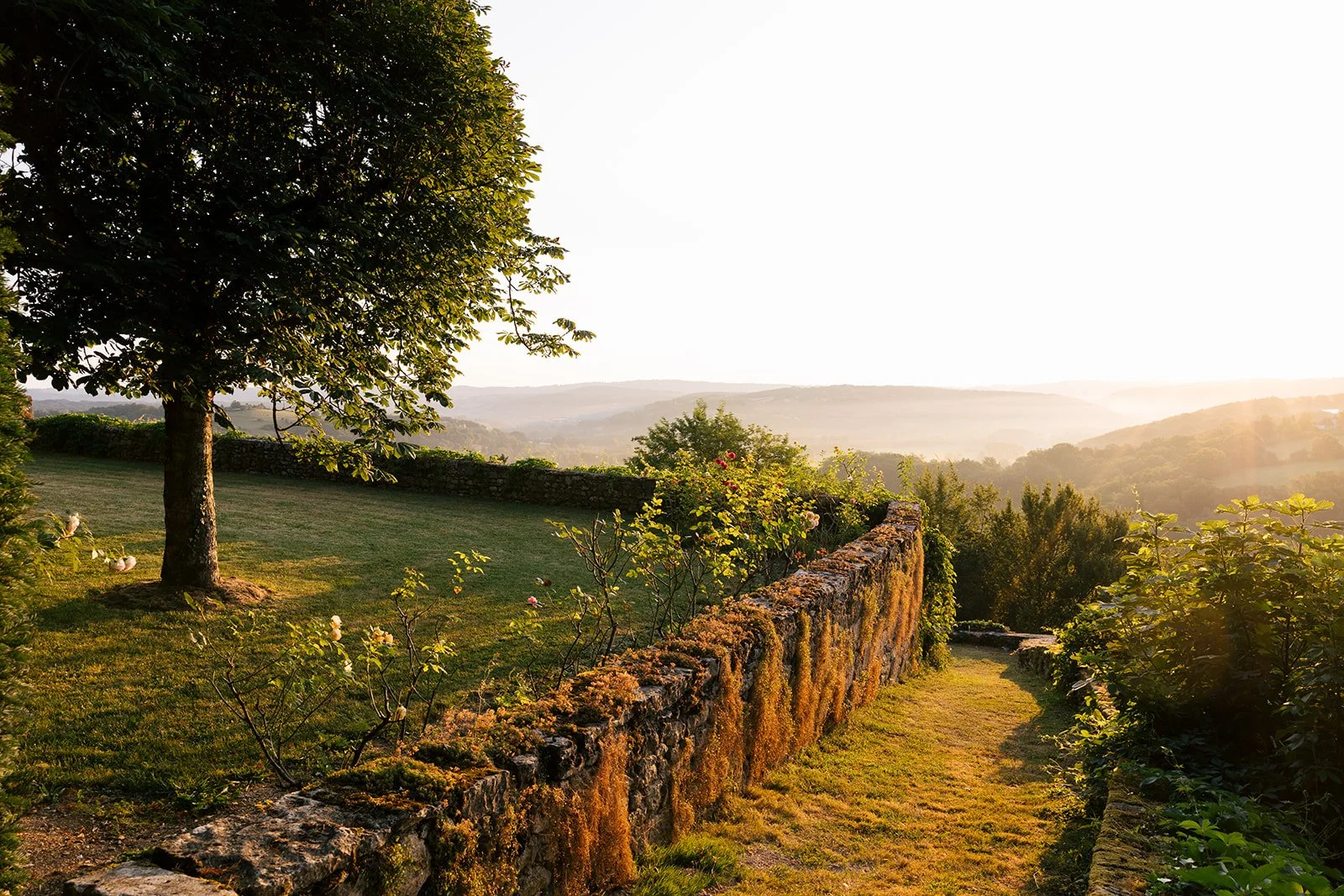
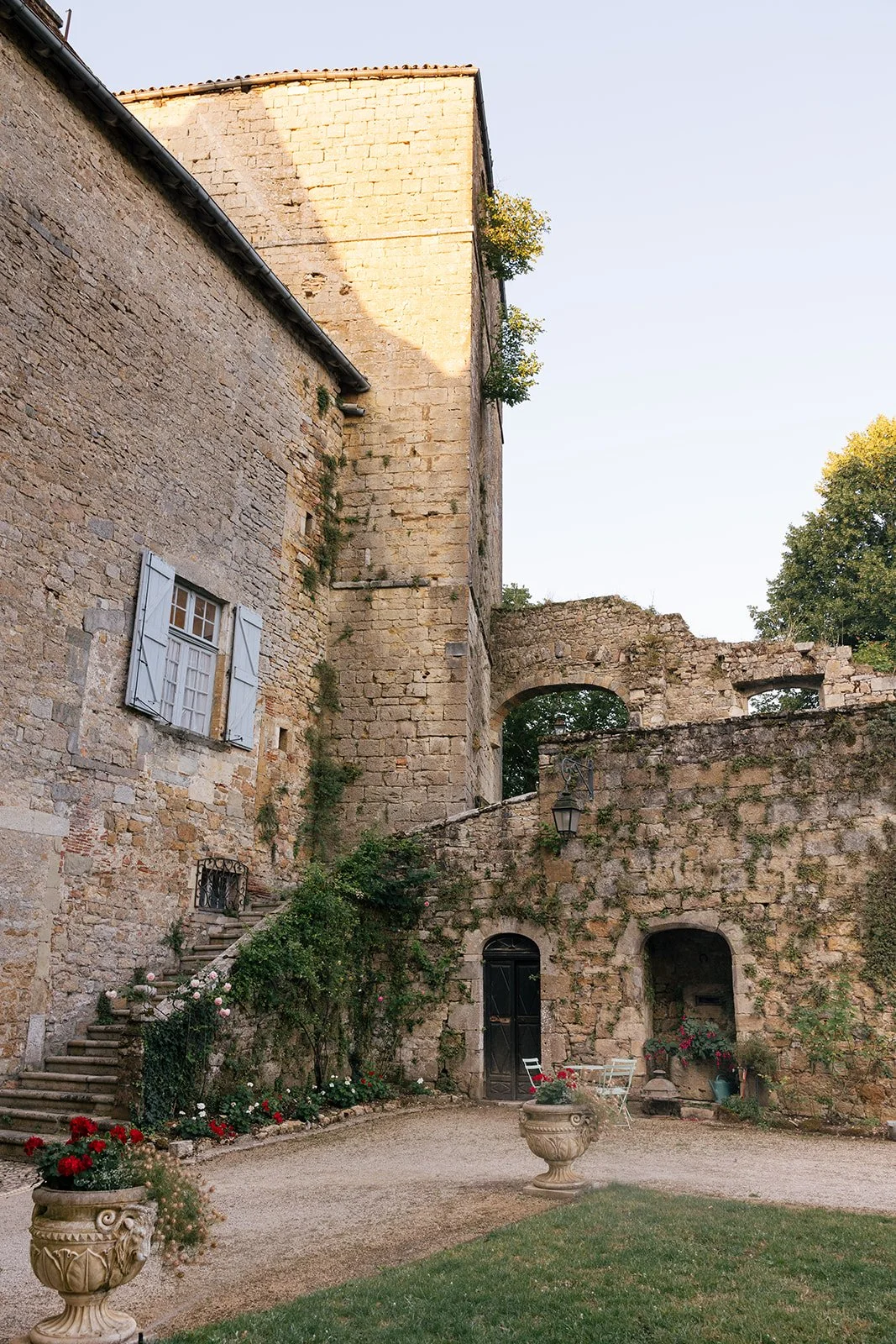
The Château is the tallest point in the region as far as the eye can see.
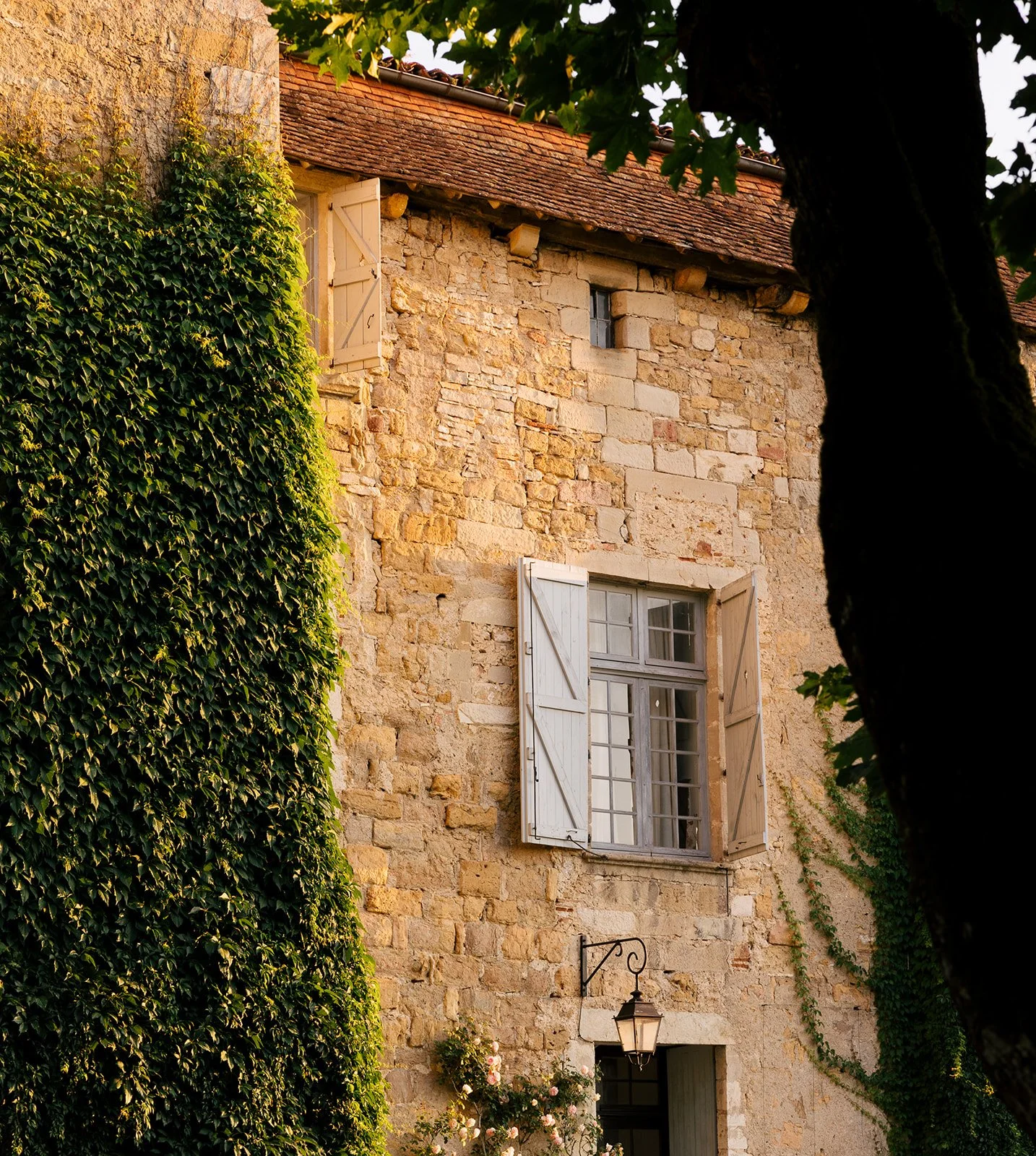
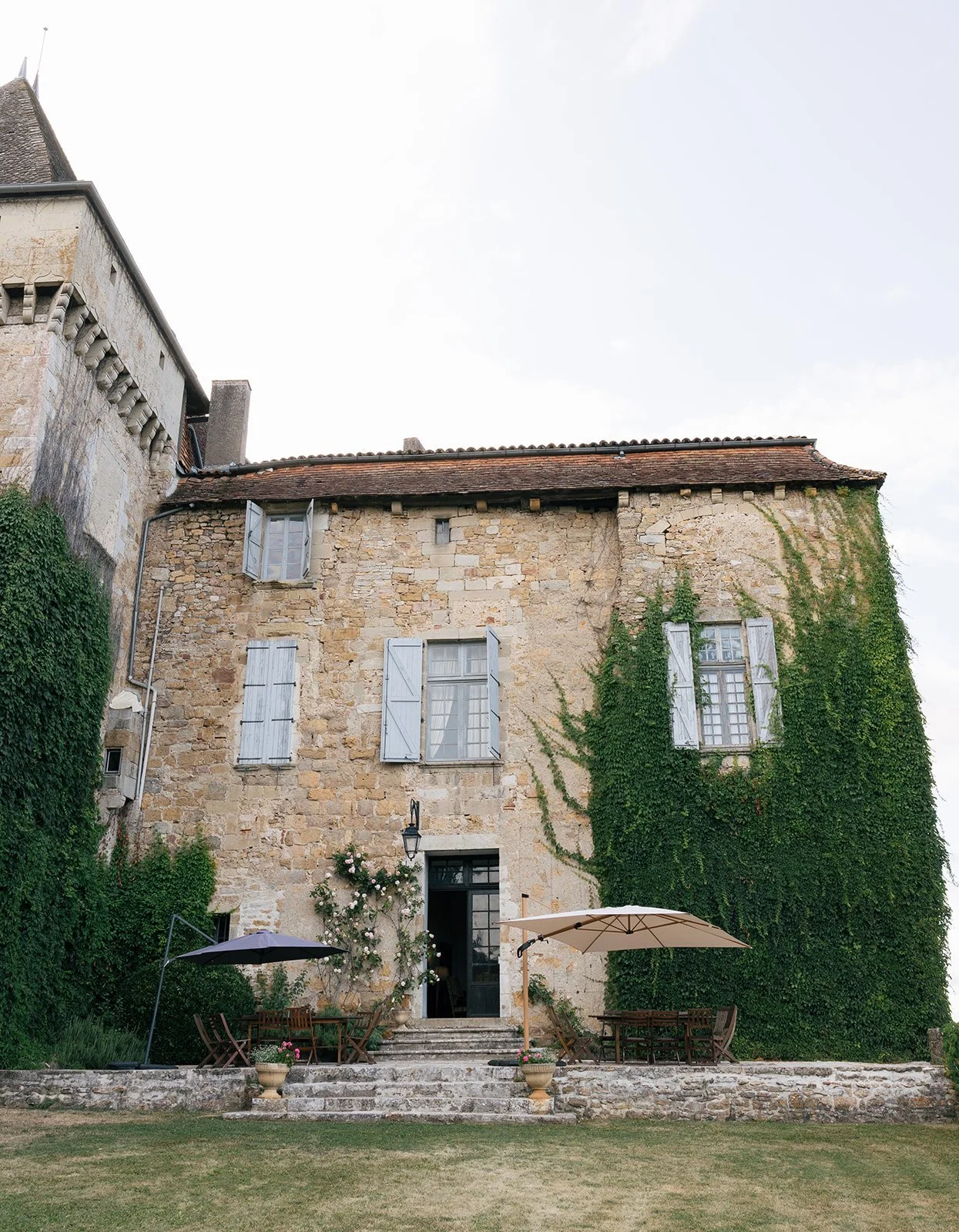
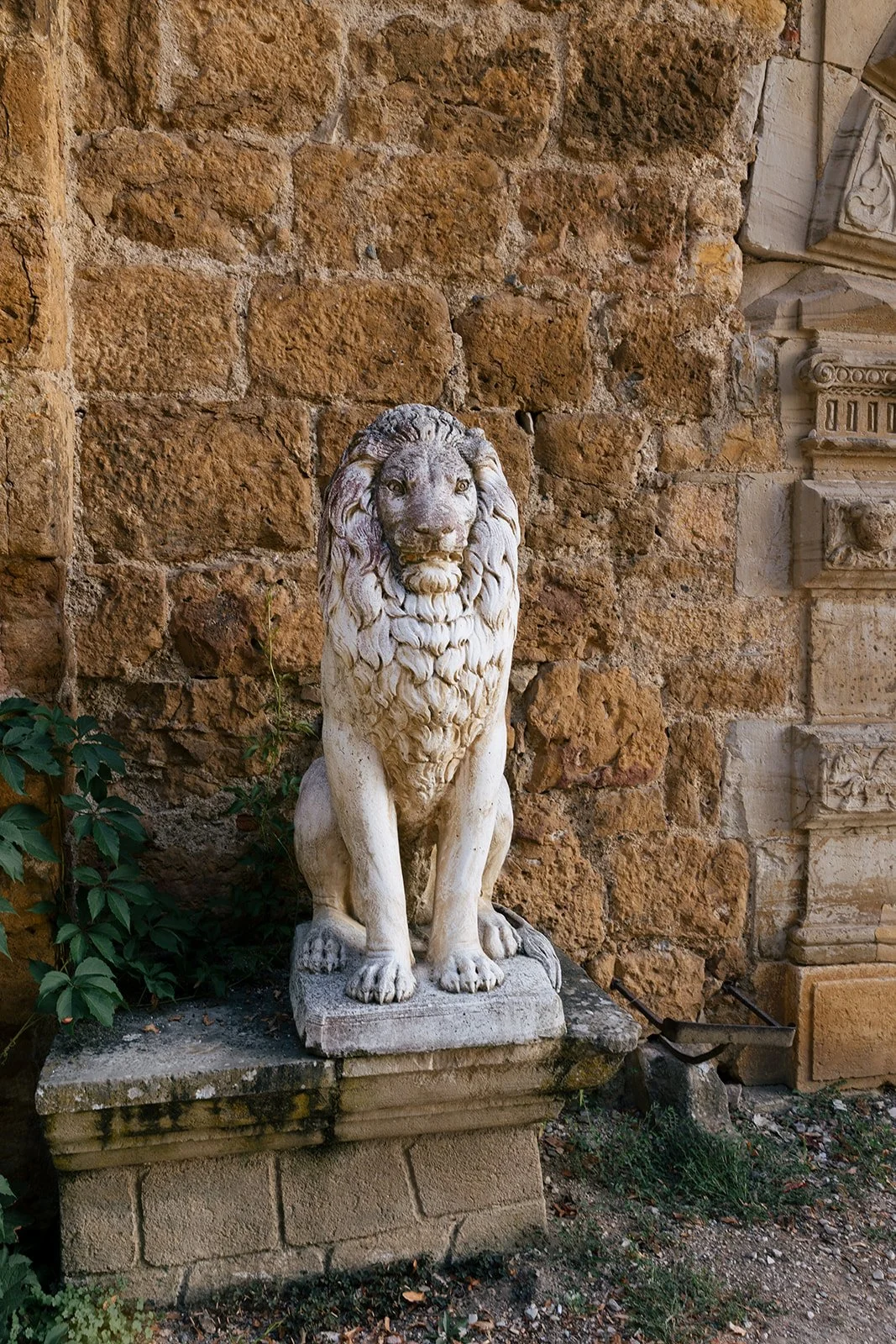
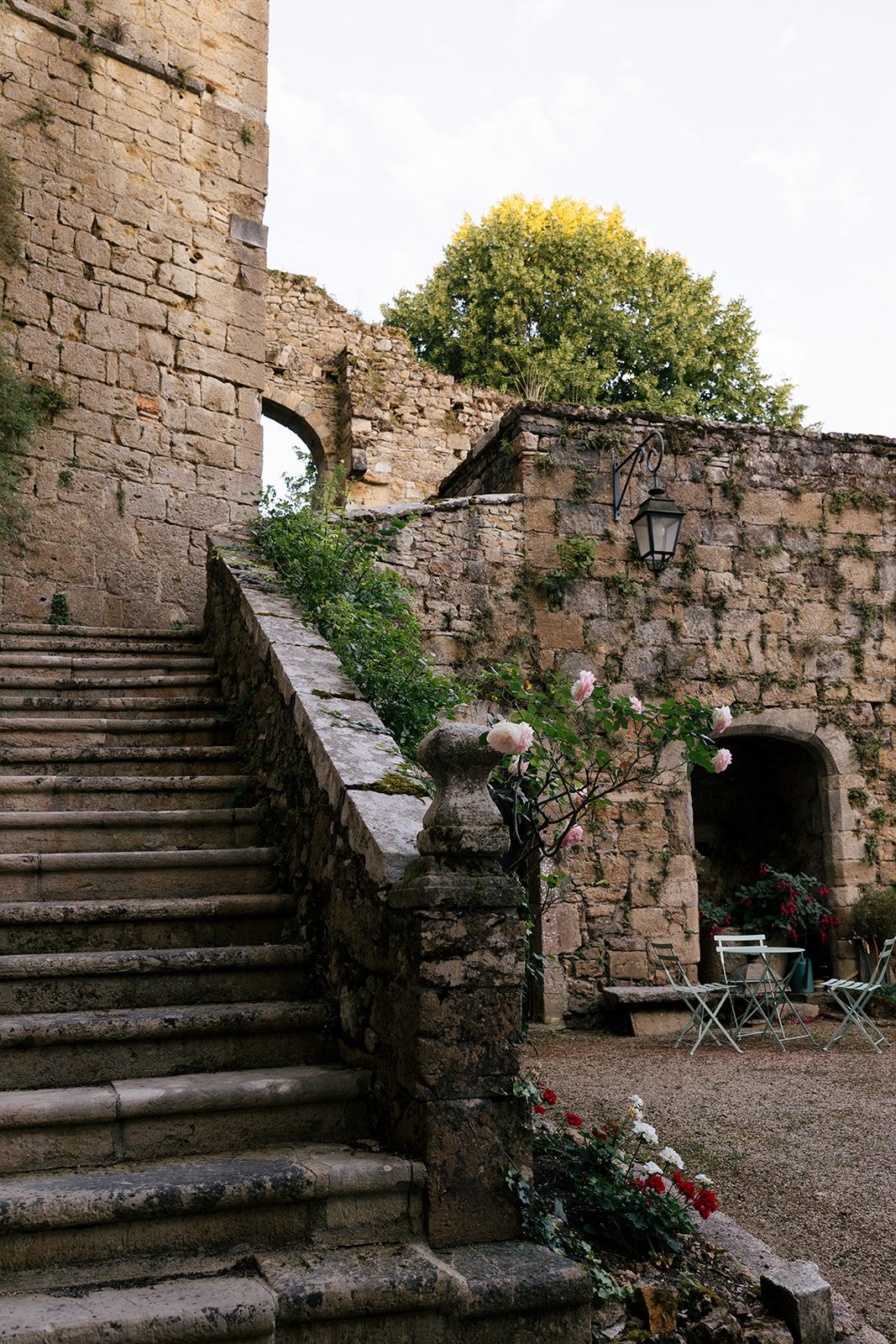
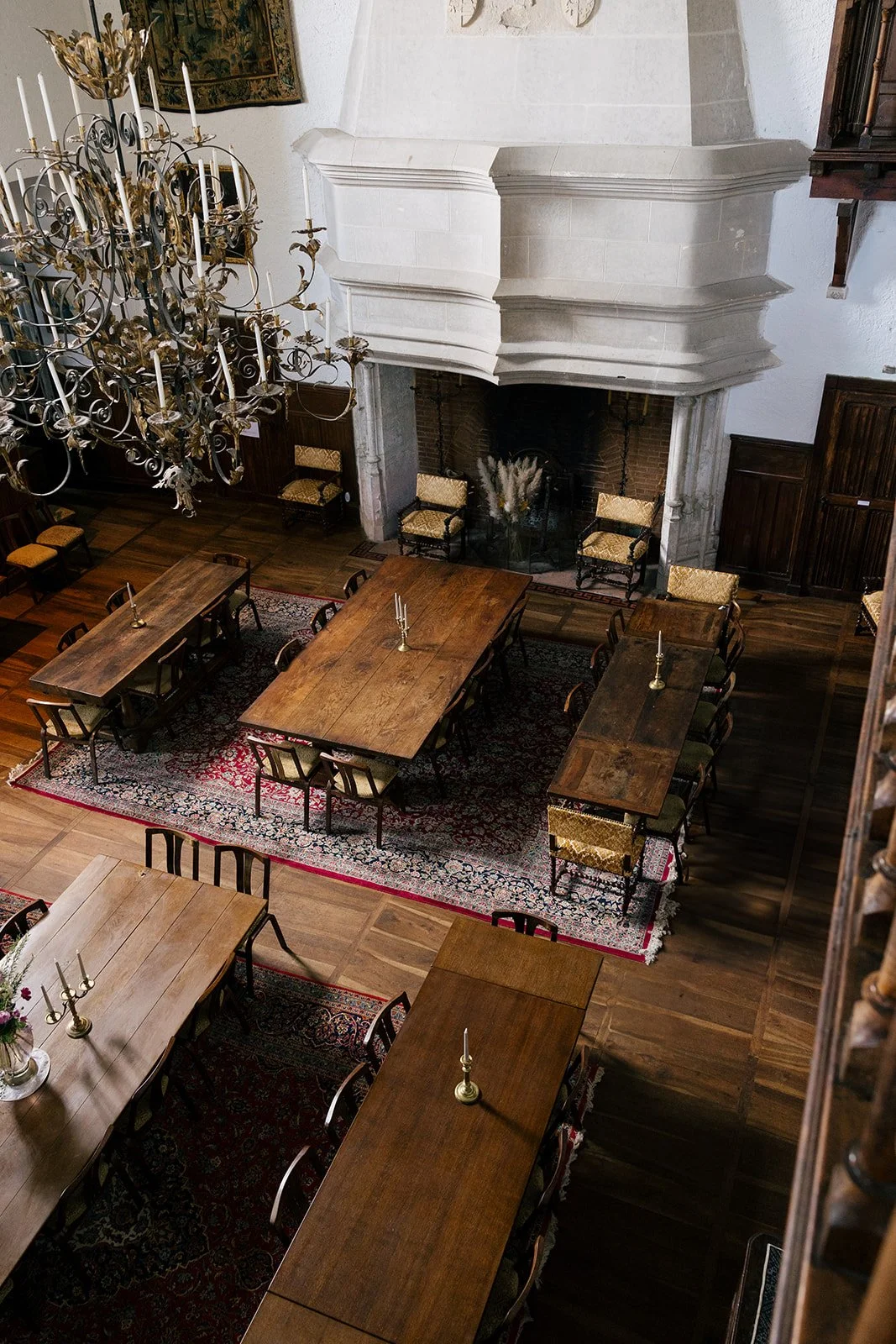
It has a historic tower and is an exceptional example of a Château fort.
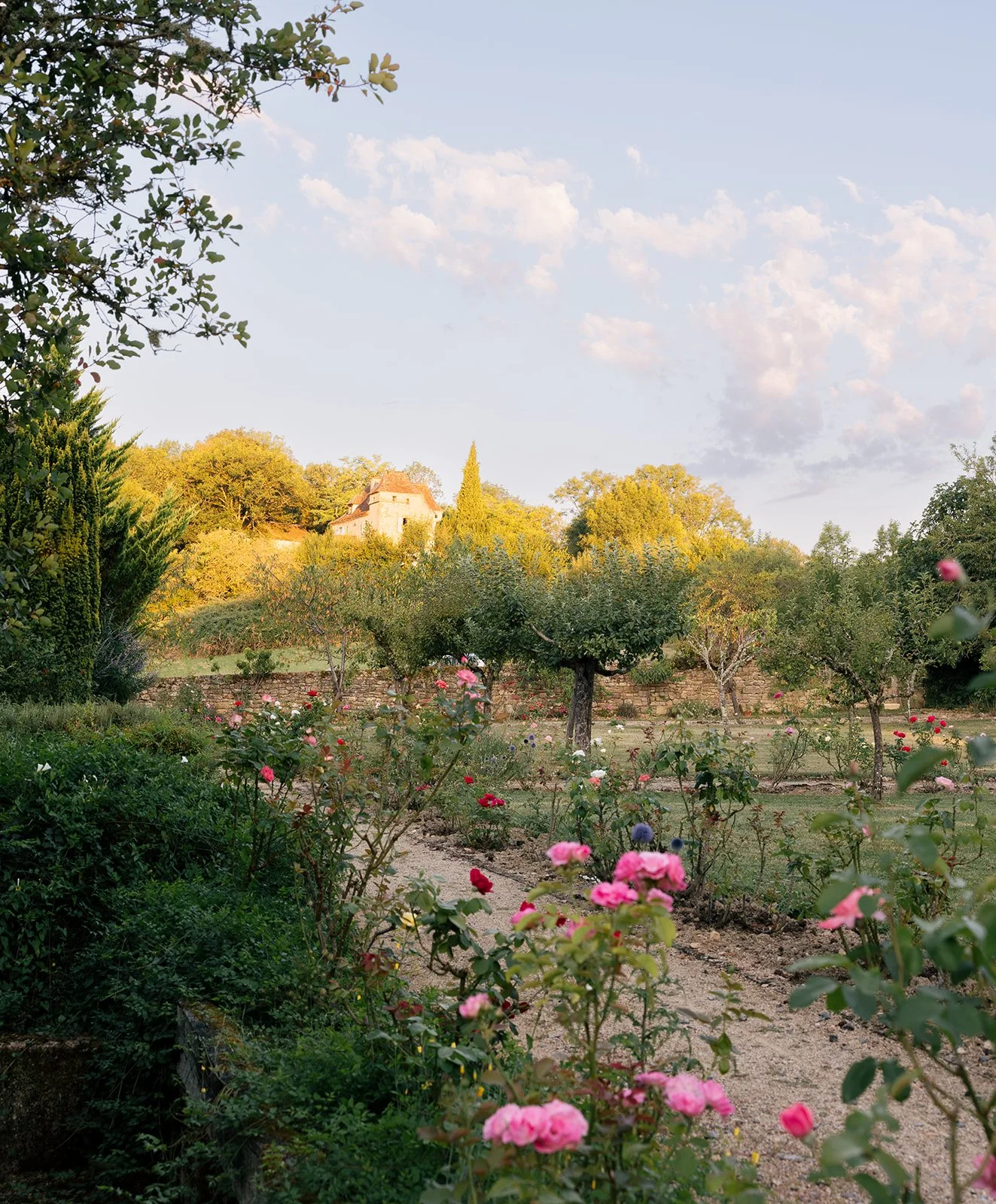
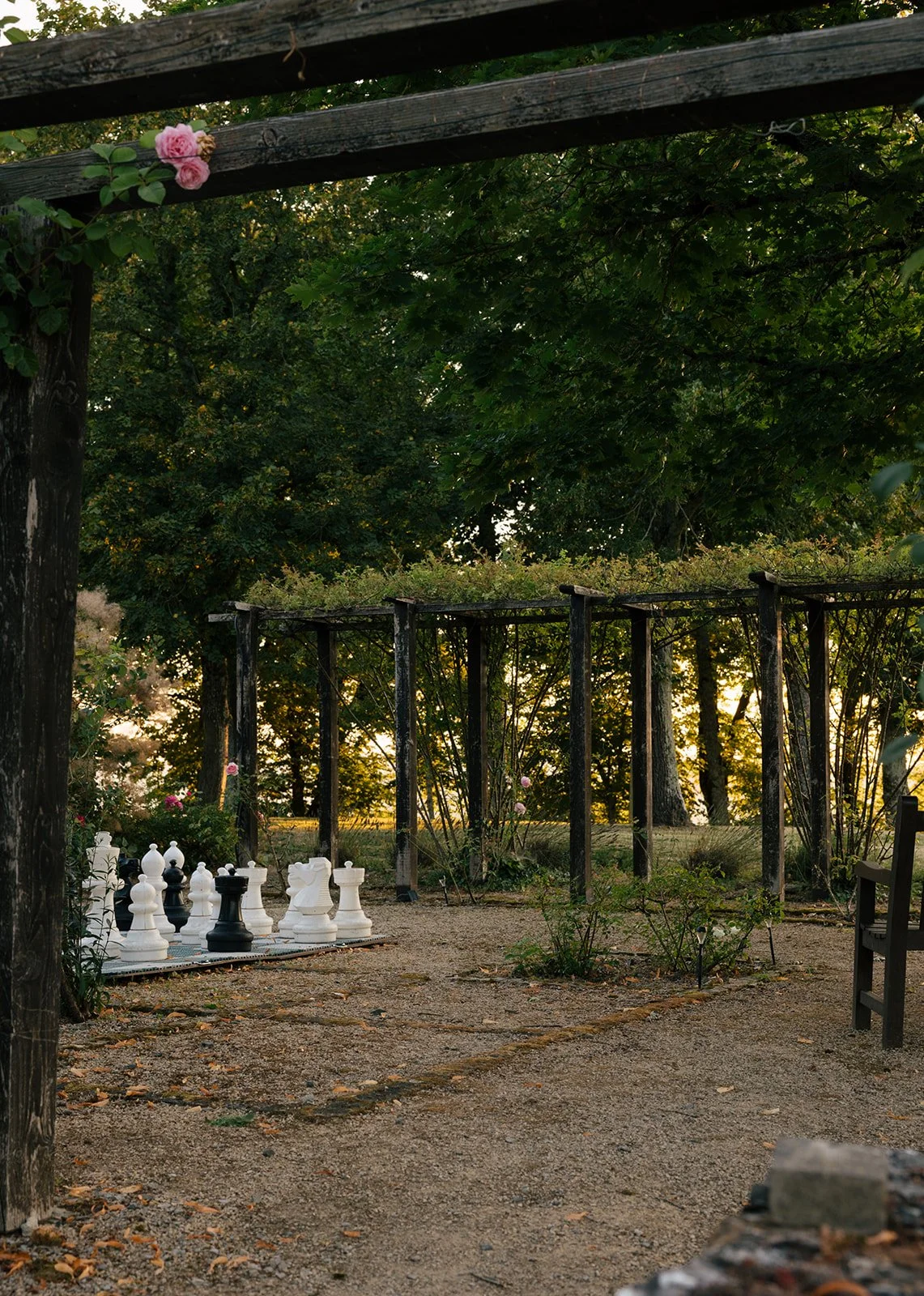
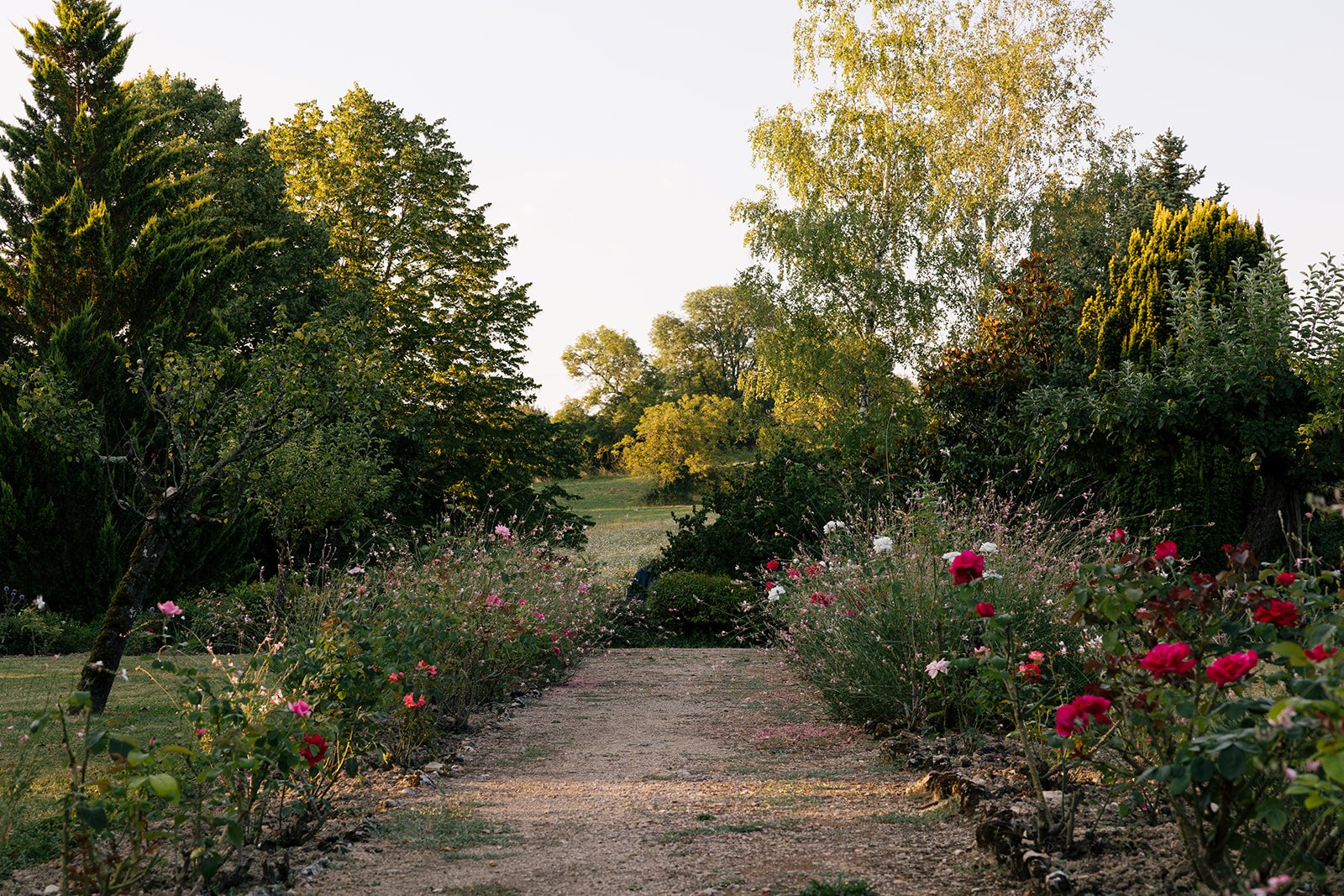
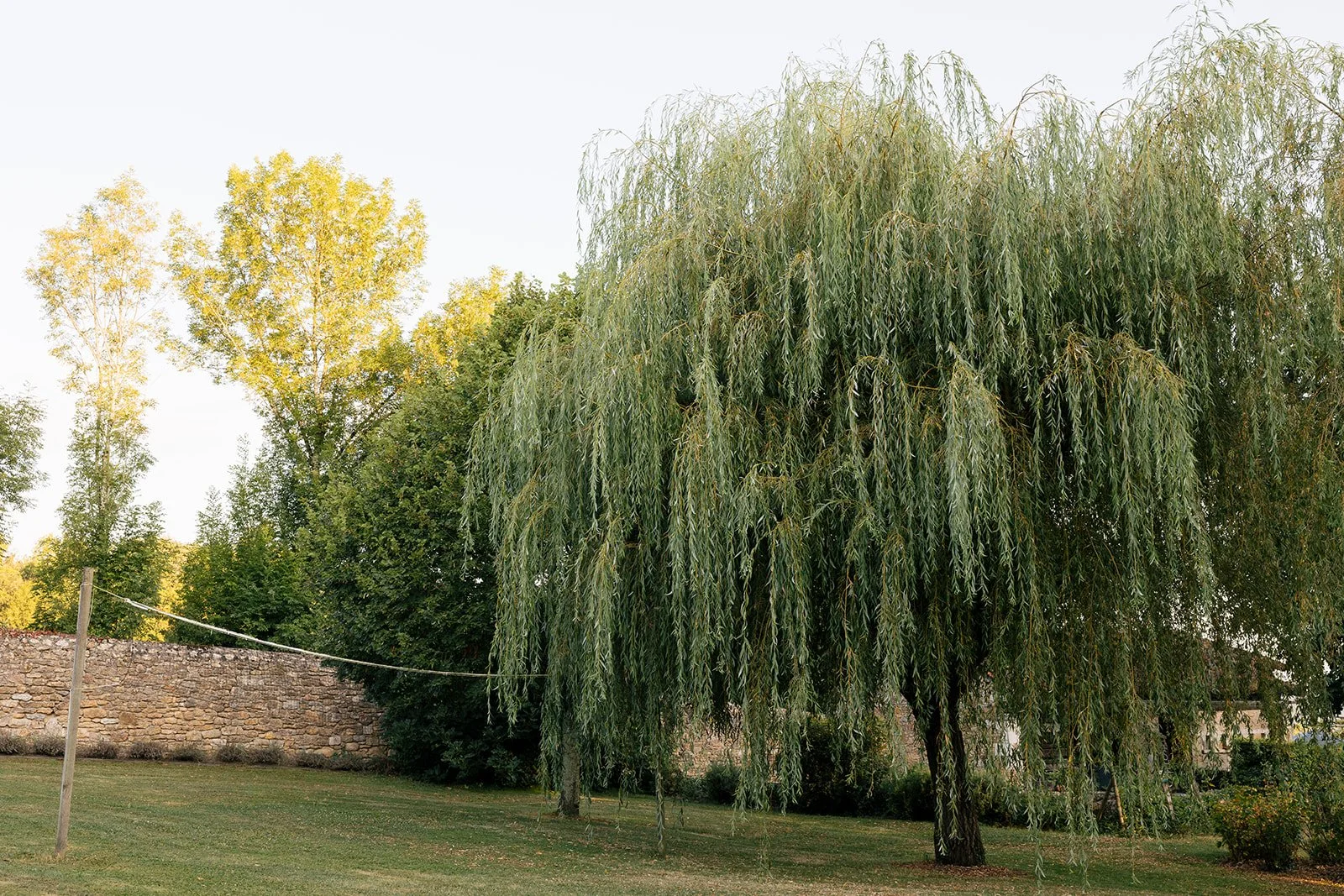
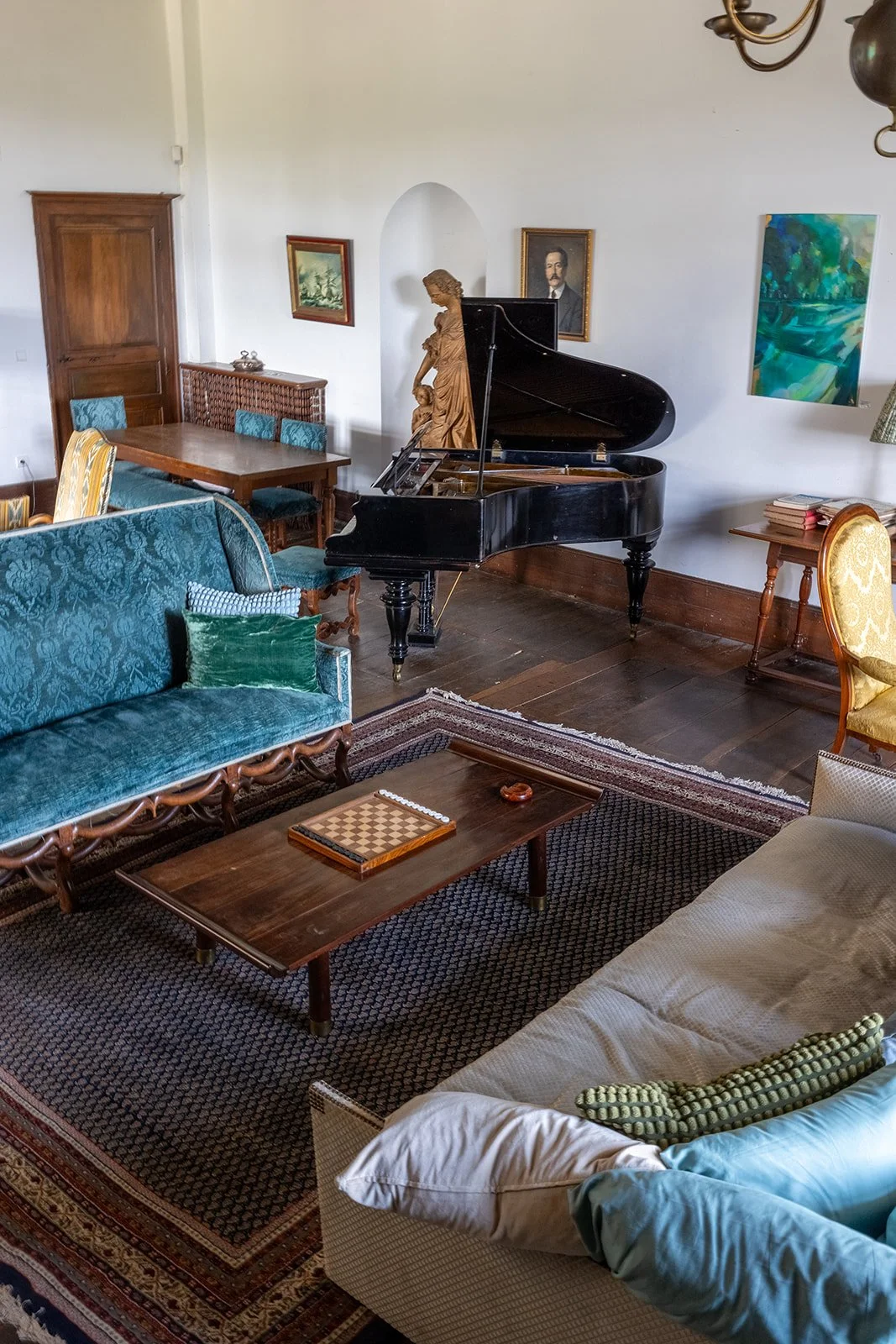
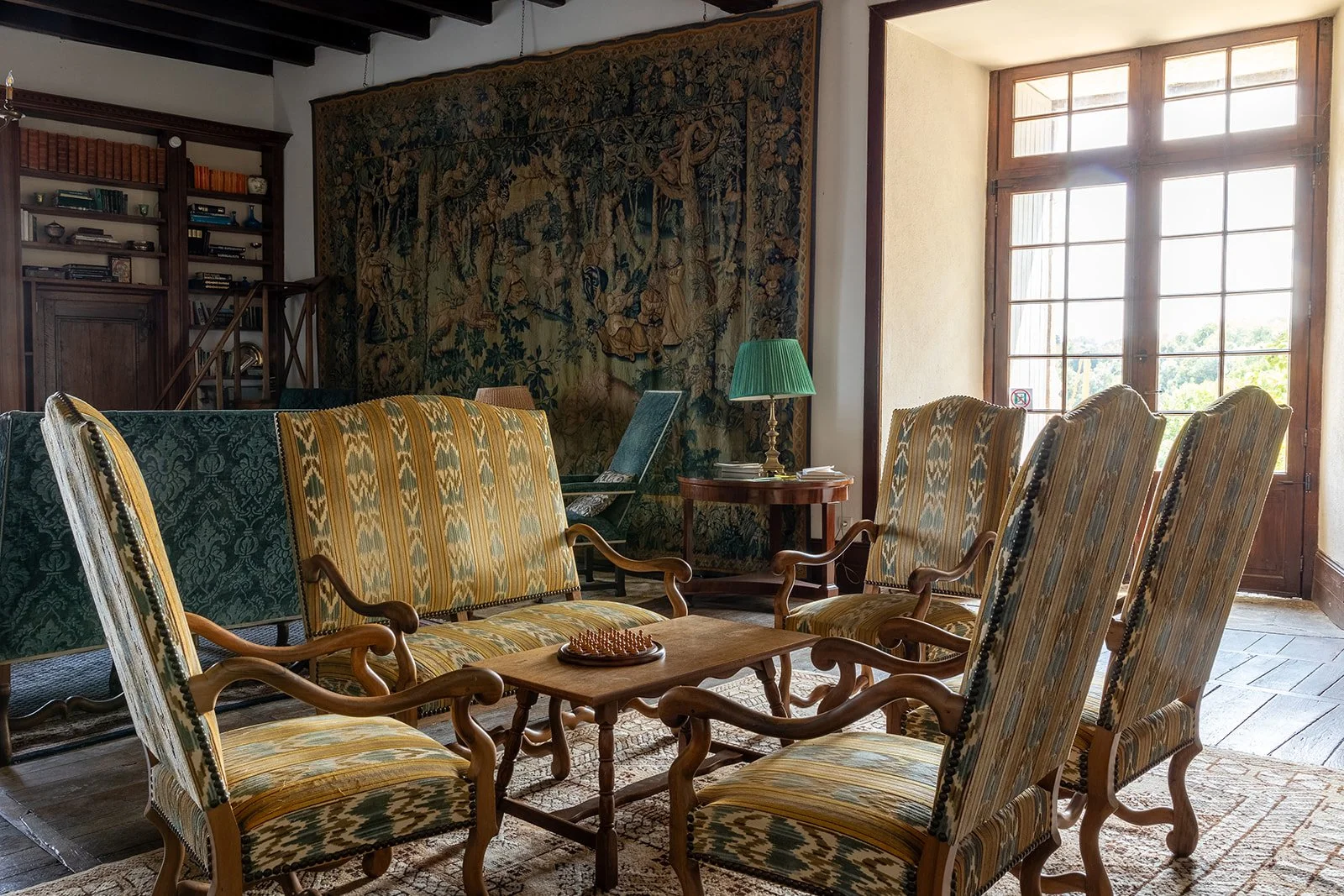
It has: 13,000 square feet of rooms, 20 acres of land, 2.5 acres of formal gardens, 3 private pools, and 3 additional outbuildings: La Grange, La Ferme, La Fermette.
-
Beyond the château walls, the Lot region offers stunning natural beauty and historical richness. The surrounding Célé Valley is dotted with prehistoric caves, storybook villages, and dramatic limestone cliffs.
From canoeing on clear rivers to wandering through cobbled lanes in hilltop towns like Saint-Cirq-Lapopie, the area offers a romantic, slow-living charm that invites both exploration and reflection.
Visitors also benefit from Béduer’s proximity to Figeac, a lively medieval town with markets, cafés, and cultural sites, including the Musée Champollion, dedicated to the decipherer of Egyptian hieroglyphs. Whether you're sipping local wine in the garden or hiking nearby trails, the region’s mix of beauty, history, and creativity mirrors the essence of the château itself.
-
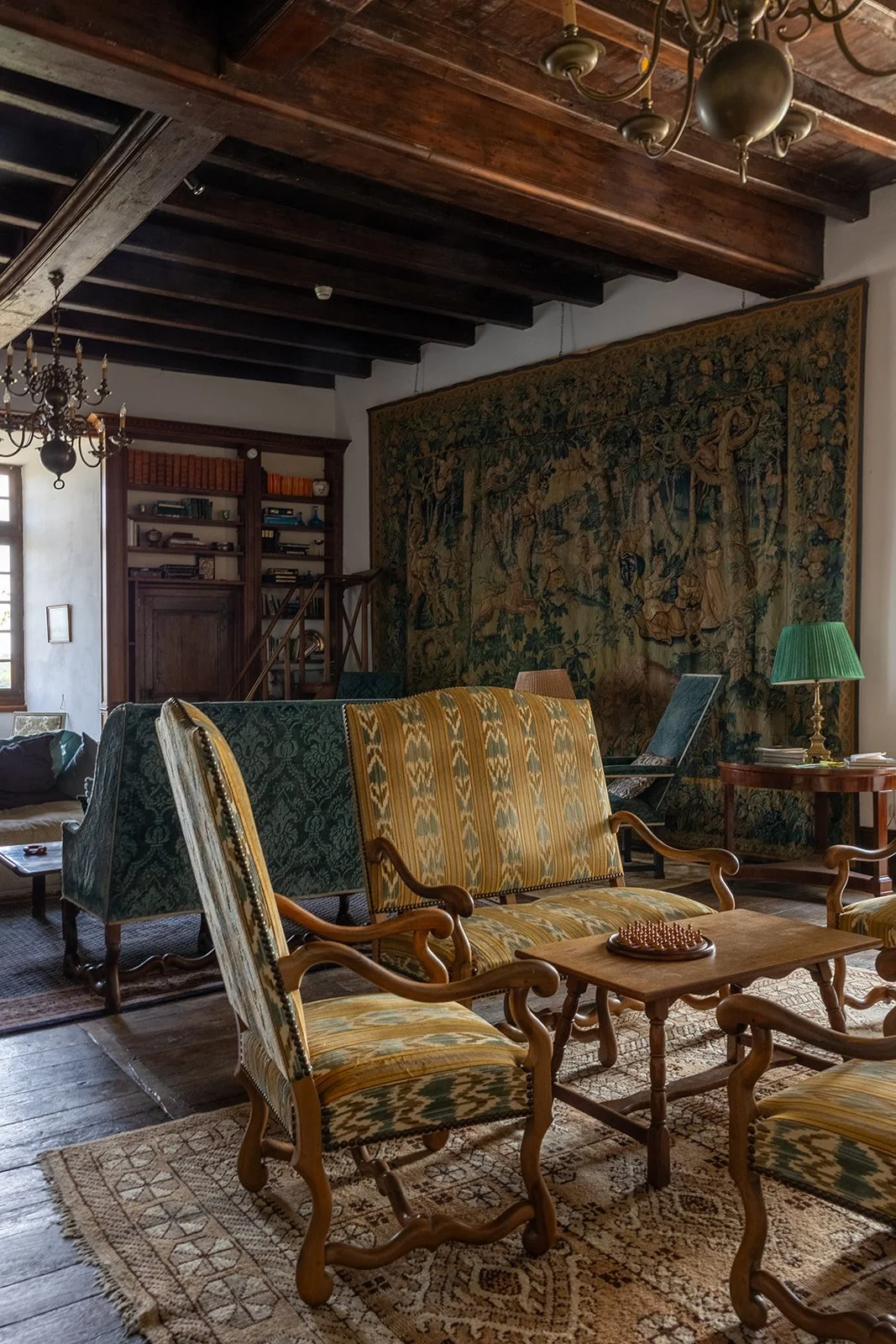
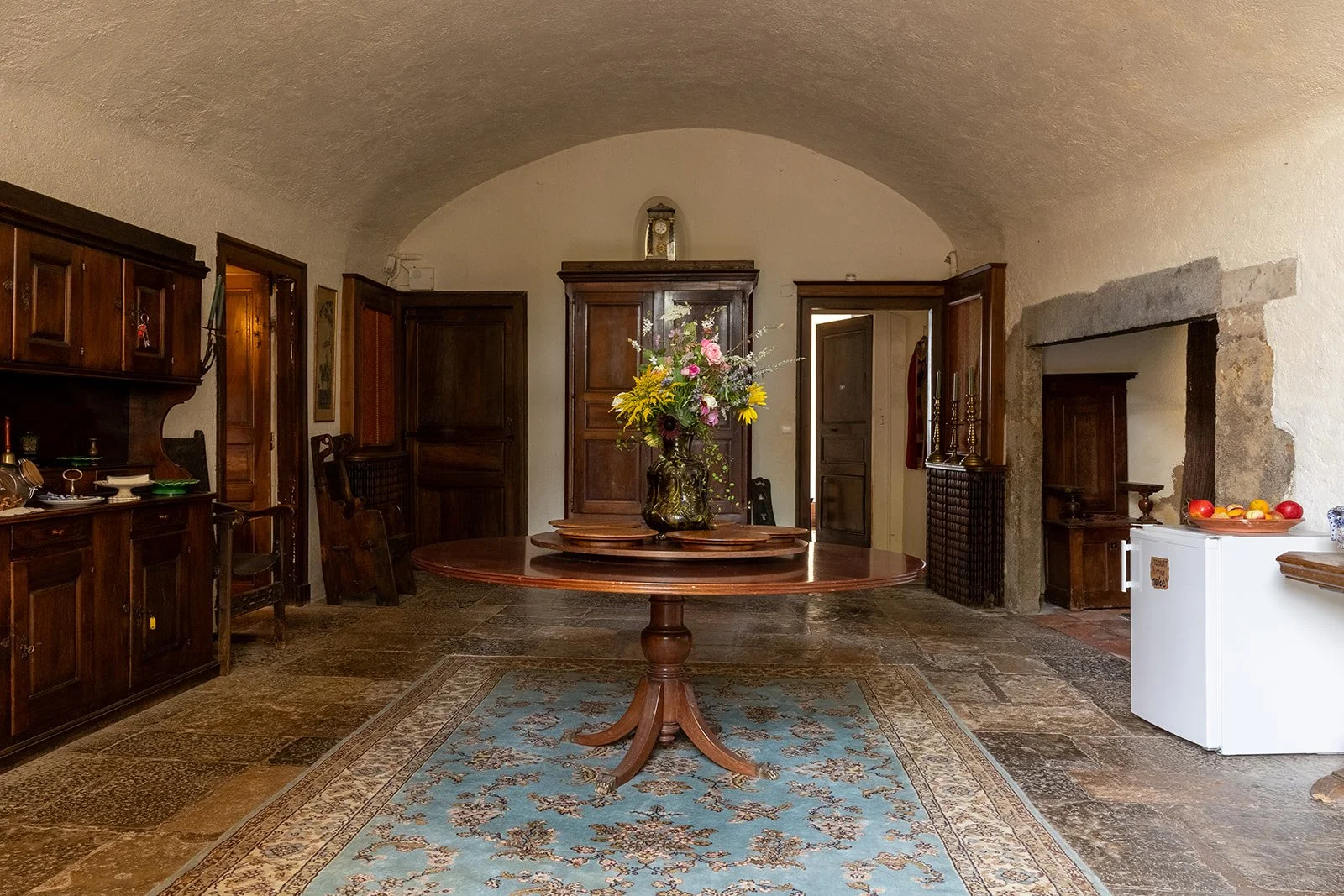
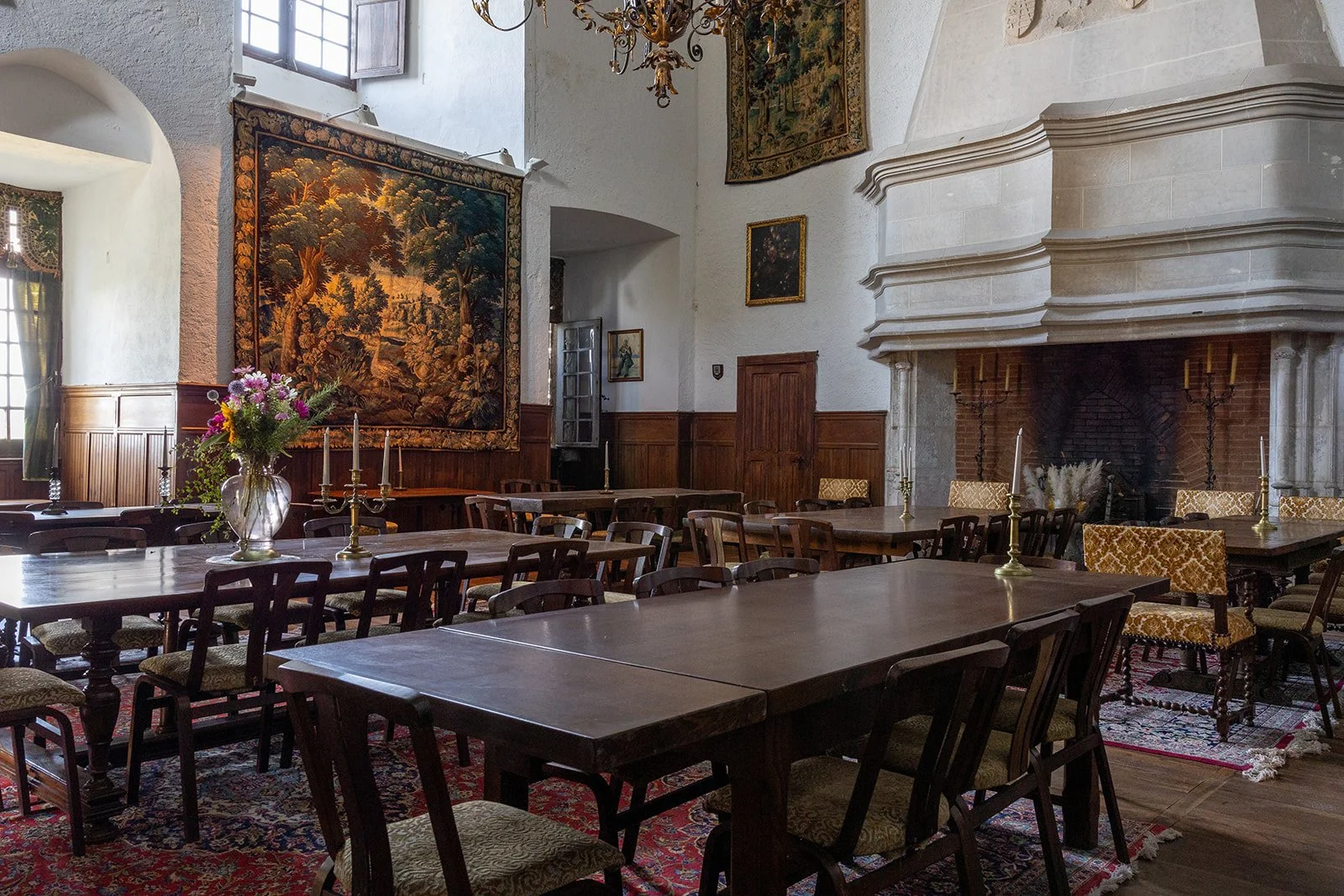
The Château de Béduer has a deep and layered history dating back to the 13th century, when it served as a fortified seat of regional power. Over the centuries, it transitioned from a medieval stronghold into a refined 17th-century country estate, complete with gardens and gathering spaces for local festivities. The highest point of its medieval tower was removed after the French Revolution, to weaken its defenses.
In the 20th century, the château took on a new kind of significance under the ownership of Jeanne Loviton—also known by her pen name, Jean Voilier. A formidable figure in French literary circles, Loviton hosted many intellectuals of the time, including her lover, the celebrated poet and essayist Paul Valéry. Their romantic and intellectual connection is immortalized in the archives of French literature, and the château became an occasional retreat for their correspondence and creativity. It even served as a crucial stronghold for countless French films during World War II, guarded by a legendary film critic and concentration camp escapee, Lotte Eisner.
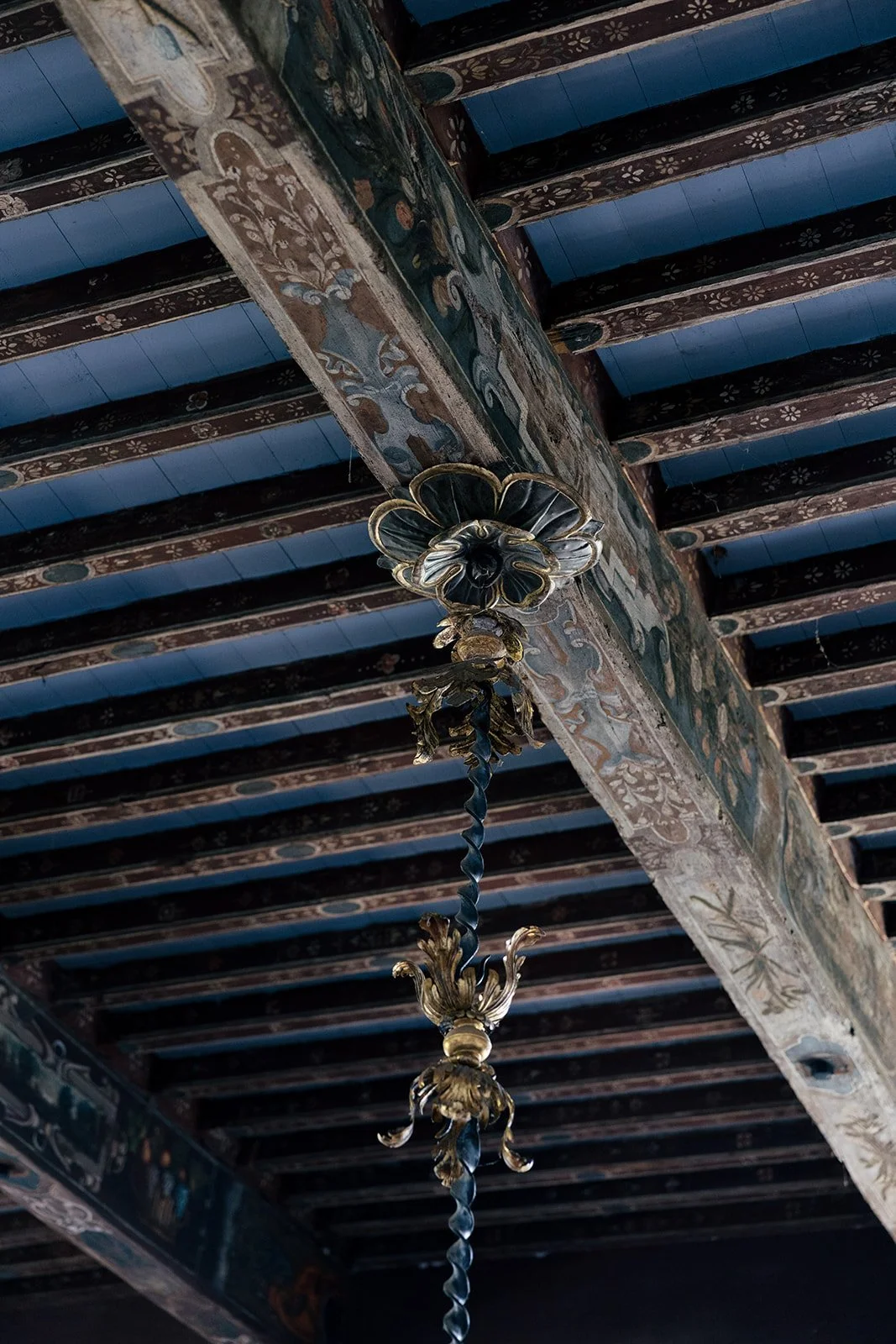
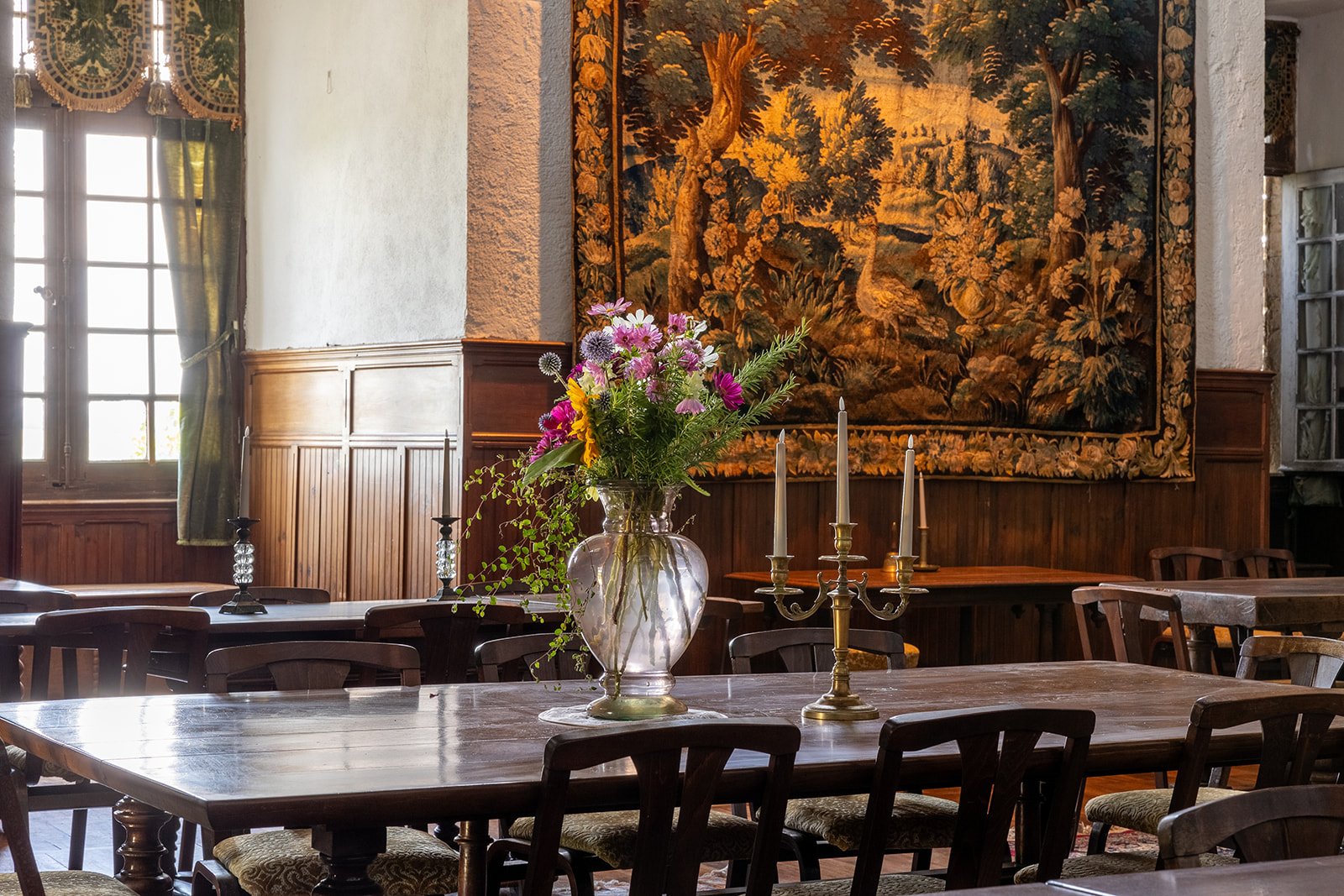
The château’s rooms and terraces bear witness to a moment in history when art, politics, and poetry intertwined under one roof. Loviton, a lawyer and publisher, was known for her relationships with many influential writers and thinkers, and her time at Béduer added a new cultural layer to the site’s already rich legacy. Even today, her presence is felt throughout the property, where shadows of France’s literary Golden Age linger alongside medieval stonework and baroque ornamentation.
As part of Camp Château, Château de Béduer is now owned by the over 200 women founders of Camp Château and lovingly cared for by a team of dedicated groundskeepers, gardeners, property managers, and supporters from around the region.
“At Béduer I don’t read, I don’t write, I don’t think, I don’t move, I am content to feel well and to taste every instant that passes, the ripe plums and the mist.”
— Jean Chalon, French journalist and biographer