Why queer community doesn’t have to revolve around alcohol, sex, or staying up late
written by Alicia Valenski (she/her)
queer and neurodivergent travel writer and author of The LGBTQ+ Travel Guide for Lonely Planet
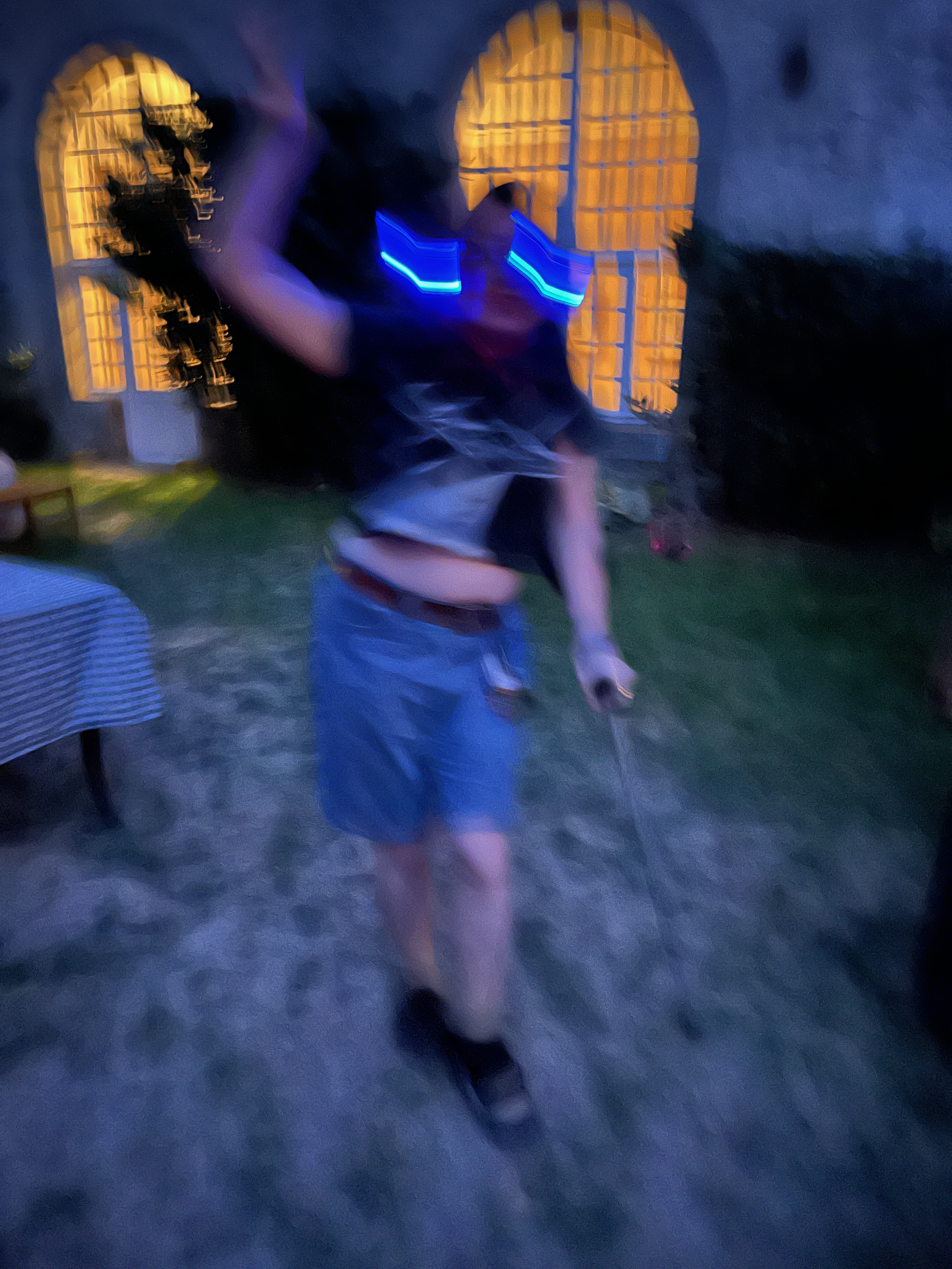
Erica dancing to “Born this way” by Lady Gaga at Silent Disco at Camp Château. Photo taken by Tegwen… who was also dancing.
Listen, there’s nothing wrong with a packed dance floor, a colorful cocktail or two, and screaming the words to an iconic pop song with 300 other queer people at 1:17 a.m.
Nightlife has given our community some extraordinary things: visibility, freedom, community, and even chosen family. For generations, queer bars and clubs were some of the only places where we could connect reliably to find each other and connect.
But somewhere along the way, I think we started confusing one way of experiencing queer community with the concept of queer community itself.
And that can get a little limiting.
Because what happens when you don’t drink, or you’re trying not to?
Or when you reach your mid-30s and your body starts sending increasingly aggressive signals that you should no longer stay up past midnight?
When you’re a parent, or you’re neurodivergent, or you’re an introvert, or you’re simply the kind of person who prefers to be in bed by 10 p.m.?
What happens when you want queer connection without the expectation that you might drink, dance, flirt, hook up, or do literally anything other than just exist around other queer people?
Maybe queer joy doesn’t have to come with a hangover.
There’s something wonderfully radical about imagining queer communities outside of the traditional nightlife template. Not because nightlife is bad, but because we deserve more than one setting in which to belong.
A queer space can be loud and glittery and chaotic, but it can also be a long and leisurely breakfast, or reading by the pool, or an afternoon conversation that accidentally lasts three hours.
We don’t talk enough about how much of queer culture has been built around being awake, available, and out.
Out late, out drinking, out meeting people, out doing something (or someone).
And there’s a weird pressure embedded in all of that sometimes. Like, if you aren’t participating, are you missing out on something?
Maybe!
But also, maybe you’re just fucking tired.
Maybe your version of a perfect queer weekend involves an excellent dinner, a swim, and being horizontal with a book for nine interrupted hours.
I think this becomes increasingly obvious as we move through different stages of our lives, too. The queer community you need at 22 might not be the same as the queer community you need at 42.
The thing that once felt liberating can become exhausting. The environments that used to feel thrilling can start to feel overstimulating.
You might become sober, sober-curious, or simply less interested in drinking.
Or you might discover that you actually really enjoy mornings. (Tragic, I know.)
Consent-forward culture matters here, too.
We deserve the ability to say no without making it weird.
No to another drink, to flirting, to sharing a bed, to being social right now—no to whatever doesn’t feel right in the moment, no explanation required.
The beautiful thing about a genuinely welcoming queer space is that your boundaries don’t make you any less fun. They just make you you, and they give you the freedom to have fun your own way.
That’s one of the best things about Quamp.
Quamp takes the concept of queer gatherings and stretches it beyond the bar.
There can be drinks, if you want them. But there can also be communal meals, elective workshops, swimming, conversation, sunshine, naps. You can spend the afternoon learning something new, the evening eating with people you just met, and the night actually getting some sleep.
And crucially, all of those things can exist alongside a culture where consent and personal boundaries aren’t afterthoughts.
You aren’t required to turn yourself into a more interesting, more sexual, more social, or more intoxicated version of yourself in order to participate. You can just come as you are.
Maybe the future of queer community isn’t less nightlife so much as more choice.
More ways to meet, connect, and participate without drinking.
More spaces where sex isn’t assumed, introversion isn’t interpreted as rudeness, and exhaustion isn’t seen as antisocial behavior.
More room for people who want to dance until sunrise and those who’d rather head to sleep before the DJ finishes their first set.
Because the point of queer community was never supposed to be proving how effortlessly you could keep up. The point was finding each other.
Sometimes, finding each other might look like a crowded dance floor after midnight. Sometimes, it might look like sitting around a table at breakfast, laughing with people you met two days ago. And sometimes it’s a bunk, a book, and being asleep by 10.
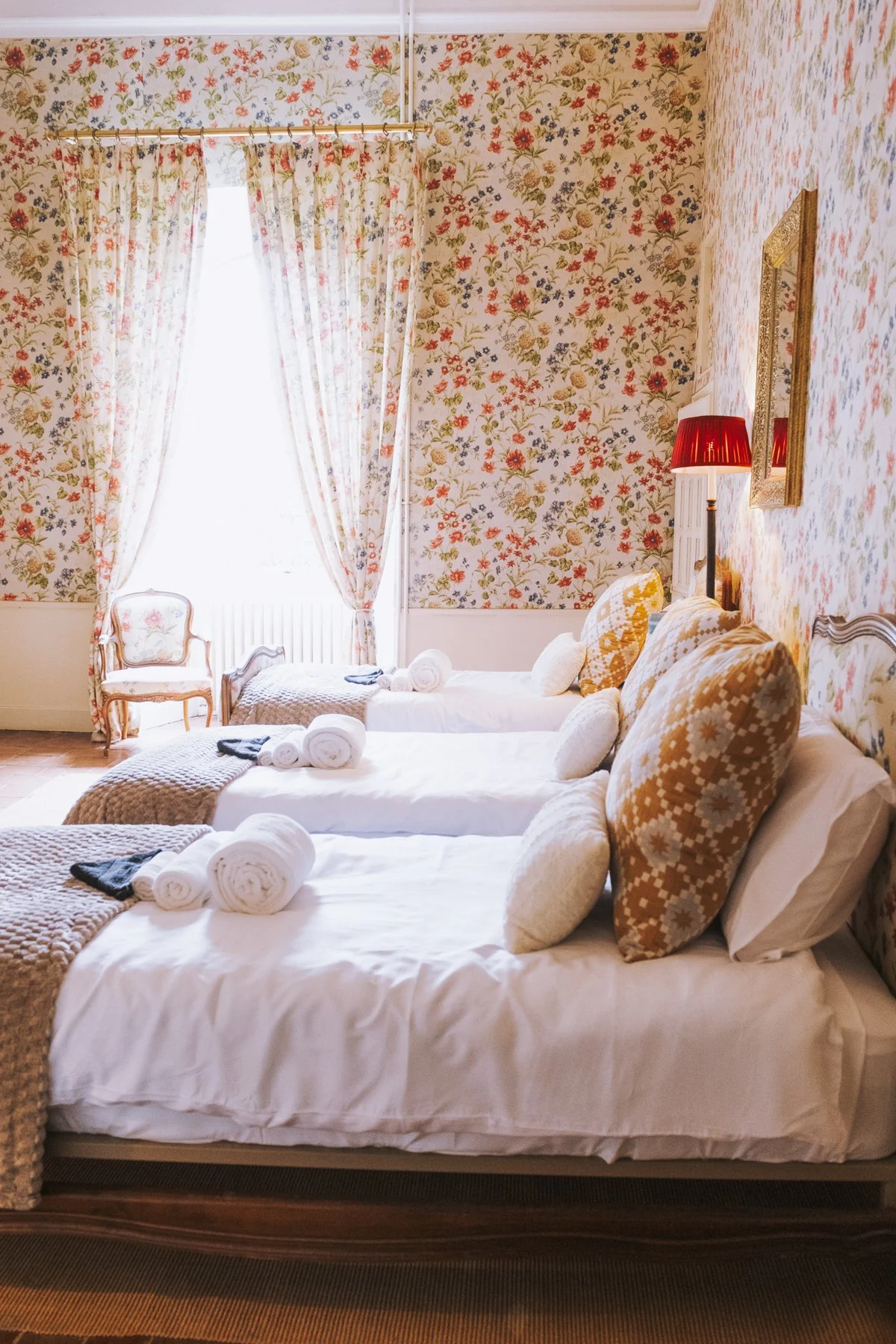
Bunkroom in L’Abbaye Château de Camon
It’s all queer joy.
We don’t need to choose between gay bars and gay bunks.
We just need more places where we can be authentically ourselves—and decide what we want to do once we get there.